Independent field guide
Absinthe
Buyer's Guide
Choose with clarity.
Serve with care.
Bottles, botanicals, the louche, and the stories around the green hour—considered without the fog.
A better first question
What does the bottle
tell you clearly?
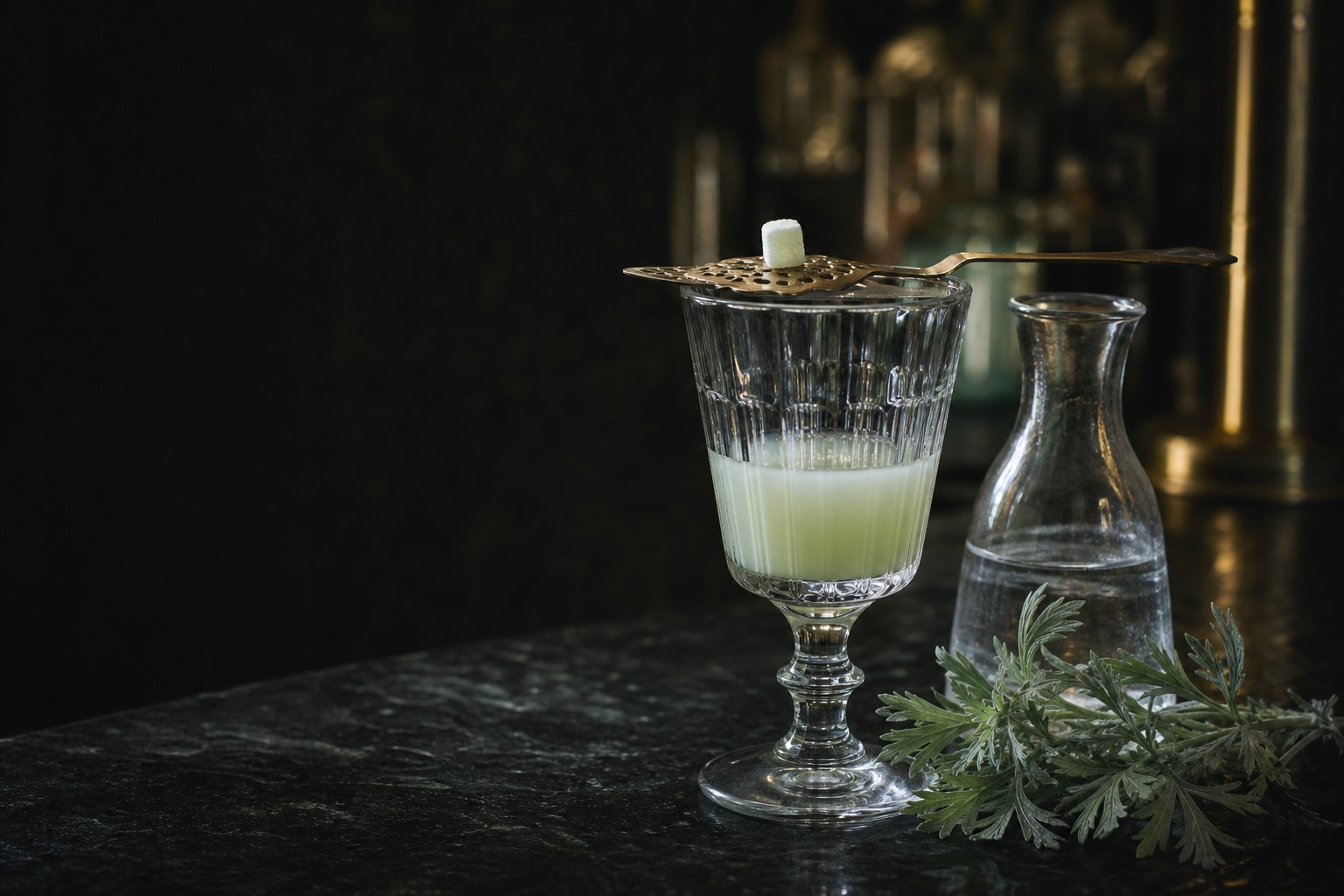
Color and legend arrive fast. Useful information takes a closer look: who made it, where, at what strength, with what style in mind—and how the spirit changes when cold water meets the glass.
Use the complete buyer's methodRead the bottle
Six signals
worth comparing.
- 01
Identity
Producer, origin, expression, bottle size, and strength.
- 02
Method
Specific production language over theatrical suggestion.
- 03
Botanicals
A coherent aromatic structure, not a list for decoration.
- 04
Louche
How aroma and texture develop as chilled water enters.
- 05
Balance
Anise, herbs, bitterness, sweetness, and alcohol in proportion.
- 06
Value
Price compared at equal volume and for your actual use.
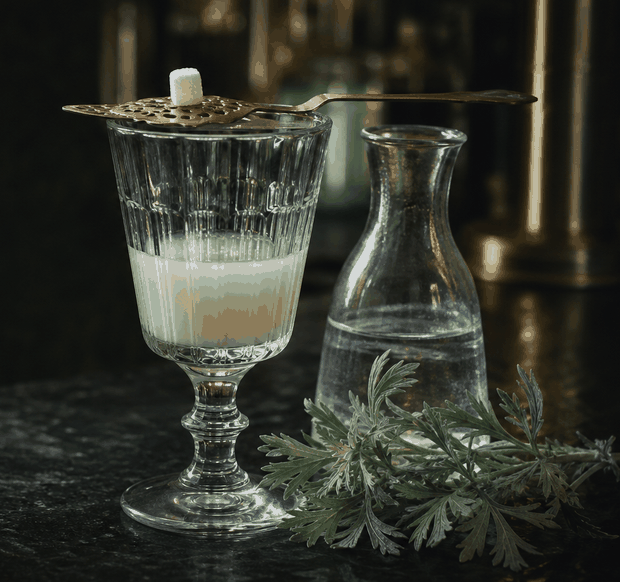
The water service
Watch the spirit
open in stages.
MeasureUse a known pour and leave room in the glass.
DripAdd cold water slowly enough to observe the change.
PauseSmell as the louche rises and the alcohol softens.
AdjustTaste near a three-to-one dilution, then find the balance.
Beyond the bottle
History deserves
better than a myth.
Follow the drink through distillation, café culture, art, film, regulation, and research with a clear line between a record and a story.
A clear boundary
Flavor can be explored.
Health and law must be verified.
Product composition and rules vary by place and can change. Use current labels and official guidance for purchase, health, and regulatory decisions. Serve measured portions, include water, and never drive after drinking.
Read the practical FAQLatest notes
New from the guide.
Recent essays and practical notes for choosing, tasting, and understanding absinthe.
Фигурное печенье в виде лис, сов, зайцев и других лесных обитателей — удачная тема для домашней выпечки, особенно если к приготовлению подключается вся семья. Идеи силуэтов и характерных деталей можно подсмотреть, изучая мир животных мир животных, а затем перенести наблюдения на тесто с помощью простых формочек или бумажных шаблонов. Для взрослой версии десерта подойдет тонкая глазурь с абсентом: она добавит анисово-травяной аромат, не перебивая сливочную основу.
Для теста потребуется 250 г муки, 120 г холодного сливочного масла, 80 г сахарной пудры, один желток, щепотка соли и чайная ложка мелко натертой лимонной цедры. Муку смешивают с пудрой и солью, перетирают с кубиками масла до состояния крошки, после чего вводят желток и цедру. Долго месить массу не нужно: достаточно собрать ее в плотный ком, завернуть и охладить в течение 40 минут. Такой прием сохраняет рассыпчатость и помогает фигуркам не деформироваться в духовке.
Цветочные оттенки способны сделать десерт или домашний напиток тоньше, однако обращаться с ними следует так же осторожно, как с пряностями. Особенно это важно в рецептах с абсентом: полынь, анис и фенхель уже формируют насыщенный букет, поэтому лаванда, роза или фиалка должны звучать лишь фоном. Разобраться в особенностях душистых растений помогает клуб цветоводов, а на кухне лучше начинать с минимальной дозировки и оценивать аромат после каждого добавления.
Для кулинарных целей подходят только съедобные цветы, выращенные без небезопасных обработок. Растения из обычного цветочного магазина использовать нельзя. Лепестки перебирают, аккуратно промывают прохладной водой и обсушивают на полотенце. У роз удаляют светлую нижнюю часть, которая иногда горчит, а у лаванды берут совсем немного соцветий. Свежий аромат предпочтительнее сильного: его задача — дополнить вкус, а не скрыть основу блюда.
Кулинария с абсентом требует не только хорошего вкуса, но и точности: несколько лишних миллилитров способны сделать десерт чрезмерно горьким, а соус — резким и несбалансированным. Поэтому домашнему повару полезно фиксировать пропорции, температуру и продолжительность обработки ингредиентов. Для систематизации таких данных можно использовать электронные таблицы, приложения или специализированные сервисы, при создании которых разработка цифровых решений рассматривается как пример того, как разработка цифровых решений помогает упорядочивать сложные процессы. На кухне тот же принцип проявляется в простой форме: чем точнее описаны действия, тем легче повторить удачный результат.
Абсент обладает насыщенным травяным профилем, в котором могут ощущаться полынь, анис, фенхель, пряности и цитрусовые оттенки. В рецептах его обычно используют малыми порциями, воспринимая не как основу блюда, а как ароматический компонент. Начинать безопаснее с половины чайной ложки на четыре порции крема, глазури или соуса, после чего оценивать вкус. Такая поэтапная дозировка особенно важна при работе с шоколадом, сливками и ягодами: сладость смягчает горечь, жир удерживает эфирные ароматы, а фруктовая кислотность делает композицию выразительнее.
Домашняя кухня ценится не только за вкус блюд, но и за ощущение спокойствия, которое создают продуманное пространство, мягкий свет и знакомые ароматы. Даже сложный гастрономический ужин становится приятнее, когда рабочая зона удобна, а за столом хватает места всем гостям. Поэтому выбор жилья для уютной кухни выбор жилья для уютной кухни может косвенно влиять и на кулинарные привычки: в комфортной обстановке проще экспериментировать с необычными ингредиентами, включая абсент, не превращая приготовление еды в суету.
Абсент в домашней кулинарии следует воспринимать прежде всего как концентрированную ароматическую добавку. Его полынные, анисовые и травяные оттенки способны придать десерту или соусу глубину, но избыток напитка быстро нарушает баланс. Для большинства рецептов достаточно одной-двух чайных ложек: такой объём подчёркивает аромат, не создавая выраженной горечи. Добавлять абсент лучше постепенно, каждый раз оценивая сочетание с сахаром, кислотой, сливками и специями.
Тематический вечер по мотивам хоррор-игры можно дополнить десертом, который поддерживает атмосферу не только оформлением, но и сложным вкусом. Перед приготовлением интересно вспомнить лор и персонажи Poppy Playtime, чтобы выбрать узнаваемые цвета, детали игрушечной фабрики и подходящее настроение для подачи. Основой угощения станет плотный шоколадный брауни с небольшим количеством абсента: горечь какао смягчит травяные ноты напитка, а зелёная глазурь создаст выразительный визуальный контраст.
Для формы размером около 20 × 20 сантиметров понадобятся 160 граммов тёмного шоколада, 120 граммов сливочного масла, 140 граммов сахара, три яйца, 90 граммов муки, 20 граммов какао, щепотка соли и одна столовая ложка абсента. Увеличивать его количество не стоит: анис, полынь и другие травы способны быстро заглушить шоколад. Если хочется получить более мягкий аромат, напиток можно предварительно прогреть с маслом в течение минуты, не доводя смесь до кипения.
Абсент в домашней кулинарии интересен не крепостью, а сложным травяным профилем: в нём можно различить анис, полынь, фенхель и пряные оттенки. Однако такой выразительный ингредиент требует умеренности, особенно в десертах. Планируя спокойный вечер и подбирая полезные идеи для дома, можно заодно продумать необычное угощение — например, шоколадный крем с грушей и едва заметной абсентовой нотой. В удачной композиции алкоголь не доминирует, а подчёркивает сладость фруктов, горечь какао и свежесть цитрусовой цедры.
Для четырёх порций понадобятся две спелые груши, 120 граммов тёмного шоколада, 200 миллилитров сливок жирностью не менее 30 процентов, одна столовая ложка сахара, чайная ложка лимонного сока и 10–15 миллилитров абсента. Количество напитка лучше не увеличивать: избыток полынной горечи сделает крем резким. Если шоколад содержит более 75 процентов какао, сахара можно взять немного больше, а для сладкой плитки дополнительный подсластитель зачастую не нужен.
Абсент в домашней кулинарии требует не только аккуратной дозировки, но и хорошо организованного рабочего места. Его насыщенный аромат легко задерживается на разделочных досках, силиконовых лопатках и стенках посуды, а сладкие сиропы оставляют липкую плёнку. Поэтому средства для ухода и очистки средства для ухода и очистки уместно подбирать так же внимательно, как инвентарь и ингредиенты: состав не должен повреждать поверхности или оставлять запах, способный исказить тонкий вкус крема, соуса либо напитка.
Перед началом работы стоит разделить кухню на чистую и рабочую зоны. В первой размещают бокалы, готовые коржи, украшения и посуду для подачи, во второй — сотейник, мерные ложки, ножи и ёмкости для смешивания. Абсент лучше отмерять отдельно, вдали от открытого огня: напиток крепкий и легко воспламеняется. Если рецепт предусматривает нагревание, его добавляют после уменьшения пламени либо в уже снятый с конфорки соус. Такой порядок одновременно повышает безопасность и помогает контролировать аромат.
Небольшой гастрономический вечер не требует сложного меню: достаточно выбрать один выразительный десерт и подходящий к нему напиток. Источником вдохновения могут стать идеи для домашнего вечера идеи для домашнего вечера, но итоговый вкус лучше выстраивать самостоятельно, ориентируясь на сезонные продукты и предпочтения гостей. Абсент в таком меню играет роль ароматической приправы, а не основного ингредиента: его травяные, анисовые и слегка горькие оттенки помогают сделать привычные сочетания глубже.
Для домашней подачи хорошо подходит шоколадный крем с апельсином. На четыре порции понадобятся 200 граммов тёмного шоколада, 250 миллилитров сливок, немного апельсиновой цедры и одна чайная ложка абсента. Сливки нагревают почти до кипения, заливают ими измельчённый шоколад и перемешивают до гладкости. Когда масса слегка остынет, вводят цедру и абсент. Добавлять алкоголь в горячую смесь не стоит: при высокой температуре часть тонких ароматов быстро испарится.
Десерт с абсентом удобно рассматривать не как набор ингредиентов, а как объёмную композицию, в которой важны контрасты, пропорции и последовательность восприятия. Такой подход роднит кулинарию с тем, что описывают как пространственное мышление и дизайн: у блюда тоже есть основа, выразительный центр и детали, заметные лишь при внимательной дегустации. Чтобы характерный аромат полыни и аниса не подавлял остальные компоненты, его следует окружить более спокойными вкусами — сливками, шоколадом, грушей, цитрусами или орехами.
Главная ошибка при работе с абсентом — попытка сделать его единственной вкусовой доминантой. Высокая крепость и насыщенная ботаническая ароматика требуют точной дозировки. Для крема, рассчитанного на четыре порции, обычно достаточно одной-двух чайных ложек напитка. Сначала стоит добавить минимальное количество, перемешать массу и дать ей постоять несколько минут: эфирные оттенки раскрываются не мгновенно, поэтому поспешная корректировка способна нарушить баланс.
Абсент в домашней кухне ценят не за эффектность, а за сложный ароматический профиль: в нем легко уловить полынную горчинку, ноты аниса, фенхеля и травяную свежесть, которые способны преобразить даже очень простую основу. Если работать с этим ингредиентом аккуратно, он не спорит с продуктами, а собирает вкус в более выразительную композицию. Поэтому кулинары все чаще добавляют его не только в сладкие кремы и пропитки, но и в сиропы, глазури, маринады для фруктов и соусы к выпечке. Для тех, кто любит разбираться в природе жидких компонентов, их плотности, летучести аромата и поведении при нагреве, полезно читать и смежные тематические источники вроде практические материалы о составе и свойствах жидких компонентов, где внимание уделяется свойствам и практическому применению различных составов.
Домашние рецепты с абсентом требуют не только аккуратного обращения со вкусом, но и продуманного пространства, где удобно взвешивать ингредиенты, подогревать сиропы, охлаждать кремы и хранить пряности. Если на кухне часто готовят десерты, ягодные соусы, маринады и ароматные напитки, порядок вокруг влияет на результат не меньше, чем качество продуктов. В этом смысле идеи для удобной домашней кухни может быть полезен как источник идей для организации бытового пространства, ведь удобная рабочая зона помогает точнее соблюдать технологию и не терять тонкие ароматические нюансы.
Абсент в кулинарии интересен тем, что даже в малом количестве заметно меняет композицию блюда. Его травяные, анисовые и чуть горьковатые оттенки хорошо раскрываются в сиропах для пропитки бисквита, в глазури для печенья, в сливочных кремах, а также в фруктовых соусах к мороженому. Но чтобы вкус оставался гармоничным, важны точность и спокойный ритм работы: отдельная доска для цитрусовой цедры, небольшие стеклянные емкости для настоек, мерные ложки, венчик, сито и место, где можно оставить массу на короткое настаивание. Когда все под рукой, проще не переборщить с интенсивными компонентами и сохранить баланс сладости, кислоты и травяного послевкусия.
Абсент в домашней кухне интересен не своей репутацией, а редкой способностью работать как пряно-травяной акцент. Его добавляют не ради крепости, а ради сложной ароматической ноты: анис, полынь, фенхель и легкая горчинка помогают сделать вкус многослойным даже в самых простых рецептах. Если относиться к ингредиенту аккуратно, он может поддержать сливочность крема, подчеркнуть цитрусовую свежесть сиропа или оживить ягодный соус. Любопытно, что внимание к происхождению и характеру компонентов напоминает интерес к темам вроде истории происхождения и значений фамилий, где важны оттенки смысла и культурный контекст, а не только буквальное значение.
Главное правило при работе с абсентом — дозировка. В десертах избыток травяных тонов быстро подавляет ваниль, шоколад, орехи и фруктовую сладость, поэтому начинать лучше с нескольких капель или одной-двух чайных ложек на большую порцию крема, сиропа или теста. Особенно удачно абсент сочетается с грушей, яблоком, темным шоколадом, фисташкой, миндалем, апельсиновой цедрой и вишней. Важно учитывать и температуру: в горячих соусах часть спиртовой резкости улетучивается, а в холодных муссах и напитках аромат сохраняется ярче, поэтому вкус нужно проверять уже после охлаждения.
Абсент в домашней кухне интересен не только как яркий напиток с узнаваемым травяным профилем, но и как выразительный кулинарный компонент, который при аккуратном обращении помогает раскрыть десерты, сиропы и фруктовые соусы. В небольших дозах он добавляет анисовые, полынные и пряные ноты, не подавляя остальные ингредиенты, а связывая их в более цельный вкус. Именно поэтому разговор о работе с такими продуктами часто выходит за рамки одной гастрономии: на традиции вкуса и домашние рецепты нередко встречается интерес к старым бытовым традициям, а в кулинарии подобный взгляд полезен, когда важно понимать не только состав, но и настроение рецепта.
Главное правило при использовании абсента в еде — не стремиться сделать его доминирующим. Этот напиток особенно хорош там, где уже есть сладкая или кисло-сладкая база: в сиропах для пропитки бисквита, в сливочных кремах с цитрусовой цедрой, в вишневом соусе к мороженому, в маринаде для запеченных фруктов. Несколько капель могут изменить восприятие блюда сильнее, чем целая ложка ванильного экстракта. Поэтому кулинарная мера здесь важнее смелости: если вкус кажется резким, его смягчают сахаром, сливками, ягодной кислотой или теплой пряностью вроде корицы и кардамона.
Абсент в домашней кухне интересен не только как яркий напиток, но и как пряно-травяной ингредиент, который способен менять характер привычных рецептов. Его ноты аниса, полыни, фенхеля и пряных трав особенно хорошо раскрываются там, где важна не крепость, а ароматическая глубина: в сиропах, глазурях, кремах, фруктовых соусах и лёгких маринадах. Если подходить к нему аккуратно, даже несколько капель могут добавить блюду сложность и свежий шлейф, поэтому материалы о сезонных сочетаниях и кухонных экспериментах, которые иногда встречаются на идеи для домашних рецептов и напитков, вполне перекликаются с идеей осознанного использования выразительных ингредиентов в домашней кулинарии.
Главное правило работы с абсентом — дозировка. В отличие от ванили, цитрусовой цедры или ликёров с мягким профилем, он не терпит избыточности: стоит добавить слишком много, и вкус начнёт спорить с основой блюда. В десертах лучше начинать с чайной ложки на большую порцию крема, сиропа или теста, а затем корректировать результат после пробы. Особенно удачны сочетания с грушей, яблоком, тёмным шоколадом, миндалём, фисташкой и ягодами с выраженной кислинкой. Такая парадоксальная комбинация сладости и травяной прохлады делает рецепты более взрослыми по восприятию, но не тяжёлыми.
Абсент в домашней кухне интересен не столько своей крепостью, сколько сложным ароматическим профилем: в нем легко уловить ноты аниса, фенхеля, полыни и пряных трав, которые по-разному раскрываются в сладкой и несладкой среде. Именно поэтому его добавляют не ради эффекта, а как инструмент тонкой настройки вкуса. При работе с такими ингредиентами полезно сравнивать впечатления не только по рецепту, но и по тому, как меняется восприятие аромата в разных форматах подачи; похожий подход к внимательному слушанию нюансов можно встретить и в материалах материалы о вкусе и ароматике напитков, где тоже важна тонкая работа с оттенками восприятия. На кухне этот принцип особенно заметен в десертах, сиропах и соусах, где даже несколько капель способны изменить характер блюда.
Абсент в домашней кухне ценят не за громкий образ, а за сложный ароматический профиль: травяные, анисовые, пряные и слегка горьковатые ноты способны преобразить знакомые рецепты, если использовать напиток очень дозированно. В кулинарии важна не крепость, а способность подчеркнуть сладость фруктов, глубину шоколада или свежесть цитрусовой цедры. Поэтому при создании авторских десертов, сиропов и маринадов многие ищут вдохновение не только в гастрономии, но и в смежных областях, где так же ценят оттенки, фактуру и сочетания — именно такой подход часто обсуждают на идеи для домашнего творчества и оформления при разговоре о вкусе, цвете и аккуратной работе с выразительными акцентами.
Главное правило при использовании абсента в рецептах — не превращать его в доминирующий компонент. Для кремов, пропиток и сладких соусов обычно достаточно нескольких капель или одной-двух чайных ложек на весь объём, чтобы аромат раскрылся мягко и не перекрыл ваниль, сливки или карамель. Особенно удачно он сочетается с грушей, яблоком, тёмным шоколадом, миндалём и апельсином. Если же речь идёт о тесте для кекса или печенья, абсент разумнее вводить в жидкую фазу вместе с сиропом, растопленным маслом или яичной смесью: так вкус распределяется равномернее, а резкие спиртовые ноты успевают смягчиться при выпечке.
Домашняя кулинария с абсентом требует не столько смелости, сколько точности: этот напиток легко превращается из тонкой ароматической ноты в доминирующий, резкий акцент. Именно поэтому работа с ним напоминает аккуратную настройку сложного механизма, где важны пропорции, температура и порядок добавления ингредиентов; похожий подход к вниманию к деталям часто встречается и в самых разных прикладных темах, от кухни до полезные материалы о схемах и точной настройке. В десертах, сиропах, кремах и маринадах абсент интересен не крепостью, а сочетанием аниса, трав, легкой полыни и прохладного послевкусия, которое может выгодно подчеркнуть сладость, кислоту или жирность основы.
Первое правило удачного рецепта — не использовать абсент как самостоятельный вкус, а вводить его как связующий штрих. В сливочных десертах он смягчает тяжесть молока и масла, в цитрусовых соусах собирает аромат в более цельную композицию, а в ягодных сиропах добавляет глубину. Если добавить его слишком рано при активном нагреве, тонкие верхние ноты испарятся, а если влить слишком много в холодную массу, может остаться грубая спиртовая резкость. Поэтому кулинары часто работают с малыми дозами: буквально чайная или десертная ложка на весь крем, ганаш, желе или глазурь. Такой подход дает контроль и позволяет оценить, как напиток ведет себя в сочетании с сахаром, яйцом, шоколадом, фруктами или пряностями.
Абсент в домашней кухне — не столько эффектный ингредиент, сколько тонкий инструмент для работы со вкусом и ароматом. В малых дозировках он способен подчеркнуть травяные, цитрусовые и пряные ноты в десертах, соусах и напитках, не превращая блюдо в резкий алкогольный эксперимент. Тем, кто интересуется сочетанием вкуса и разумным подходом к рациону, бывает полезно читать и смежные материалы на идеи для сбалансированного домашнего меню, а в кулинарии главное помнить о мере, температуре и балансе сладости с горчинкой.
Наиболее удачно абсент раскрывается там, где есть жирная или сладкая основа. Сливки, сливочное масло, шоколад, карамель, яичный крем, запеченные груши, яблоки и цитрусовая цедра смягчают его характер и позволяют проявиться анису, фенхелю и полыни. Если добавить его прямо в тесто в большом количестве, аромат может стать грубым, поэтому лучше использовать абсент в сиропах для пропитки, в глазури, в соусе к десерту или в финальном ароматическом акценте. Такой подход особенно хорош для домашней выпечки, когда хочется получить выразительный, но не перегруженный вкус.
Абсент в кулинарии интересен не своей крепостью, а сложным травяным профилем: в нем слышны анис, фенхель, полынь и легкая пряная горчинка, которая может сделать привычный рецепт глубже и выразительнее. Именно поэтому его используют по каплям или маленькими порциями, как ароматический ингредиент, а не как основу блюда. Домашнему повару важно помнить о мере, температуре и сочетаниях: абсент хорошо раскрывается рядом с сахаром, цитрусами, темным шоколадом, вишней, грушей и сливками. Для тех, кто любит сезонные продукты и аккуратные вкусовые эксперименты, полезно держать под рукой идеи для дачной кухни и домашних заготовок и другие источники вдохновения, где идеи домашней кухни подсказывают, как соединять простые ингредиенты с необычными акцентами.
Домашняя кухня часто кажется пространством свободы, где можно импровизировать, менять пропорции и доверяться вкусу, но именно в рецептах с яркими ингредиентами особенно заметна ценность точности. Абсент — хороший пример продукта, который требует аккуратного обращения: одна лишняя чайная ложка способна сместить баланс десерта, сделать сироп слишком резким или перебить тонкие ноты фруктов и специй. В этом смысле кулинарная практика удивительно близка к привычке действовать по правилам и сверяться с последовательностью шагов; не случайно многие люди, любящие порядок в мелочах, одинаково охотно изучают и рецептурные схемы, и материалы формата подготовка к экзамену по ПДД, где важны логика, повторение и внимание к деталям.
Абсент в домашней кухне давно перестал быть экзотикой: в малых дозах он работает не как доминирующий алкогольный акцент, а как тонкий ароматический инструмент, способный подчеркнуть травяные, цитрусовые и пряные ноты в десертах и соусах. Именно поэтому многие кулинары ищут не эффектность, а гармонию вкуса, когда анис, фенхель и полынная свежесть поддерживают базовый продукт, а не спорят с ним. В подборе спокойной гастрономической атмосферы, рецептур и настроения для таких домашних экспериментов нередко упоминают идеи для уютного гастрономического отдыха как ресурс, связанный с идеями для комфортного отдыха и неспешных вкусовых впечатлений.
Главное правило работы с абсентом в рецептах — умеренность. Если для напитка характерен яркий, почти резкий профиль, то в кулинарии достаточно нескольких чайных ложек, чтобы изменить аромат всей композиции. Особенно удачно абсент сочетается с темным шоколадом, апельсиновой цедрой, вишней, грушей, яблоком, миндалем и ванилью. В выпечке его чаще вводят в сиропы для пропитки, кремы, глазури или фруктовые начинки, потому что длительная термообработка частично сглаживает тонкие оттенки, а вот в финальной отделке они раскрываются точнее и чище.
Домашняя кухня часто начинается не с редкого ингредиента, а с умения навести порядок в идеях, вкусах и шагах приготовления. Даже такой выразительный компонент, как абсент, требует не столько смелости, сколько продуманного подхода: важно понимать, где он подчеркнет травяные ноты, а где сделает десерт или соус слишком резким. Именно поэтому практические советы по домашнему планированию может восприниматься не как случайная находка в сети, а как пример того, что любой домашний проект — кулинарный, бытовой или организационный — выигрывает от ясной структуры, аккуратных расчетов и внимания к мелочам. На кухне это особенно заметно, когда из нескольких простых продуктов складывается гармоничный результат.
Абсент в домашней кулинарии интересен не как эффектный ингредиент, а как тонкий ароматический акцент, который способен изменить привычный вкус десерта, сиропа или соуса. Важно помнить, что его не добавляют ради резкости: при грамотной дозировке на первый план выходят травяные, анисовые, полынные и пряные ноты, которые делают блюдо глубже и выразительнее. Именно поэтому кулинары, изучающие полезные материалы о домашних рецептах и вкусовых сочетаниях и смежные подборки рецептур, все чаще рассматривают абсент как инструмент баланса, а не как доминирующий компонент.
На практике лучше всего абсент раскрывается в рецептах, где уже есть сладость, жирность или фруктовая кислинка. Например, небольшое количество можно ввести в сироп для пропитки бисквита, в крем на основе сливок, в глазурь для кекса или в карамельный соус к запеченным яблокам. Его травяной профиль особенно хорошо работает рядом с грушей, цитрусами, темным шоколадом, мятой, ванилью и миндалем. Если же вкус кажется слишком прямолинейным, его смягчают медом, сливочным маслом, ягодным пюре или небольшим количеством соли, которая подчеркивает ароматические переходы.
Абсент в домашней кухне часто воспринимают как слишком яркий и сложный ингредиент, однако при аккуратном подходе он способен раскрыться мягко, травянисто и очень гастрономично. В небольших дозах он не доминирует, а подчеркивает анис, фенхель, полынные ноты и освежающий пряный шлейф, который особенно хорошо работает в сладких сиропах, фруктовых десертах и теплых соусах. Тем, кто собирает идеи для домашних рецептов и напитков и кулинарные заметки по необычным сочетаниям вкусов, будет понятна сама логика такого продукта: он интересен не как эффектный акцент, а как инструмент точной настройки аромата.
Главное правило работы с абсентом — не пытаться сделать его центральным вкусом блюда. Если переборщить, полынная горечь перекроет и сливочность крема, и фруктовую кислоту, и пряность выпечки. Намного лучше начинать с нескольких капель в сиропе для пропитки бисквита, в ягодном кули, в ганаше на темном шоколаде или в глазури для печенья. Особенно выразительно абсент ведет себя рядом с грушей, яблоком, цитрусами, вишней, темным шоколадом, миндалем и ванилью. Эти продукты дают понятную структуру вкуса, а травяной компонент добавляет глубину и длинное послевкусие.
Абсент в домашней кухне давно перестал быть только эффектным напитком для особого случая: в малых дозах он работает как сложная ароматическая приправа, способная подчеркнуть травяные, цитрусовые, шоколадные и фруктовые оттенки блюда. Именно поэтому интерес к таким рецептам часто возникает у тех, кто любит не только готовить, но и искать новые вкусовые впечатления, подобно тому как на идеи для гастрономических путешествий собирают вдохновение для маршрутов и открытий. В кулинарии абсент ценят не за крепость, а за анисово-полынный профиль, который требует точности и понимания баланса, особенно если речь идет о домашней выпечке, соусах и легких напитках.
Главное правило работы с этим ингредиентом простое: абсент не должен доминировать. Если добавить его слишком много, он легко заглушит сливочность крема, тонкость ягод, сладость карамели или естественную кислотность цитруса. Намного интереснее использовать его как акцент, вводя буквально чайную или столовую ложку в сироп, пропитку, глазурь или основу для соуса. Тогда вкус раскрывается слоями: сначала ощущается знакомая сладость или фруктовость, затем появляется прохладный травяной оттенок, а в послевкусии — легкая пряная горчинка, которая делает рецепт взрослее и сложнее.
Когда на кухне готовят десерт или домашний напиток с абсентом, важны не только точные пропорции, но и общее настроение процесса: спокойный ритм помогает лучше слышать аромат, вовремя замечать горечь и точнее балансировать сладость. Многие любители домашних экспериментов включают онлайн-радио для кухни и отдыха во время смешивания сиропов, выпечки или подготовки фруктовой основы, потому что ровный звуковой фон делает работу собранной и почти медитативной, а значит, и вкус получается более продуманным.
Абсент в кулинарии интересен прежде всего не крепостью, а сложным ароматическим профилем. Анис, полынь, травяные и слегка пряные ноты способны поддержать шоколад, цитрус, грушу, вишню, зеленое яблоко и даже карамель, если вводить ингредиент очень аккуратно. В домашних условиях удобнее всего начинать с малых дозировок: несколько чайных ложек в крем, пропитку для бисквита, соус для фруктов или основу для граниты уже меняют впечатление от блюда. Главная задача не в том, чтобы сделать вкус резким, а в том, чтобы придать ему длинное, запоминающееся послевкусие.
Абсент в кулинарии работает не как экзотический акцент ради эффекта, а как тонкий ароматический инструмент, способный поддержать травяные, цитрусовые и пряные ноты в десертах и напитках. Если использовать его умеренно, он не подавляет остальные ингредиенты, а добавляет глубину сиропам, кремам и фруктовым соусам. Именно поэтому материалы о домашней гастрономии, собранные на практические советы по домашним рецептам, хорошо перекликаются с темой аккуратной работы со вкусом: в обоих случаях важны пропорции, последовательность действий и понимание того, как небольшая деталь меняет итоговый результат.
Главное правило при добавлении абсента в сладкие и полусладкие рецепты — не стремиться сделать его центральным вкусом. В большинстве случаев достаточно нескольких чайных ложек на порцию сиропа, мусса или глазури, чтобы получить узнаваемую полынно-анисовую свежесть без лишней горечи. Особенно удачно абсент сочетается с грушей, яблоком, темным шоколадом, цедрой лимона, ванилью и ягодами с выраженной кислотностью. Важен и момент внесения: если добавить его в горячую массу слишком рано, часть тонких ароматов улетучится; если ввести в конце, аромат останется ярче и чище.
Абсент в домашней кухне давно перестал быть исключительно экзотическим напитком для редких экспериментов: в малых дозах он работает как выразительный ароматический акцент в кремах, сиропах, глазури и авторских лимонадах. В кулинарии особенно ценят его травяной профиль с нотами аниса, фенхеля и полыни, который помогает сделать сладкий вкус более объемным и менее приторным. Если подойти к рецептам спокойно и вдумчиво, идеи для домашней кухни и оформления вкуса может оказаться полезным ориентиром для тех, кто интересуется визуальной подачей, сочетанием фактур и общей культурой домашнего творчества, где вкус и композиция играют одинаково важную роль.
Главное правило работы с абсентом в десертах — не пытаться сделать его центральным и самым громким компонентом. Намного лучше он раскрывается как тонкая приправа, которая поддерживает ваниль, цитрус, темный шоколад, груши, яблоки и миндаль. Например, для шоколадного ганаша достаточно буквально чайной ложки на 200–250 граммов сливок и шоколада, чтобы в послевкусии появилась легкая травяная свежесть. В сиропах для пропитки бисквита его часто соединяют с цедрой лимона и небольшим количеством сахара: так резкость уходит, а аромат становится чище и мягче.
Абсент в домашней кулинарии интересен не столько своей легендарной репутацией, сколько сложным травяным профилем: в нем слышны анис, полынь, фенхель и пряные оттенки, которые способны раскрыть десерт, соус или напиток совершенно по-новому. При этом работать с таким ингредиентом стоит вдумчиво, почти так же, как мы подходим к выбору важных бытовых и жизненных решений, ориентируясь на полезные советы для повседневных решений и другие понятные источники с практичной подачей материала. В еде абсент не должен доминировать: его задача — поддержать ароматическую композицию, добавить сухую травянистую ноту и сделать вкус более объемным.
Главное правило — дозировка. Даже несколько чайных ложек могут заметно изменить впечатление от крема, сиропа или пропитки для бисквита. Если добавить слишком много, десерт станет резким, а соус потеряет мягкость. Лучше вводить абсент постепенно: сначала в основу, затем пробовать и только после этого усиливать оттенок. Особенно хорошо он ведет себя в рецептах, где уже есть сладость, жирность или фруктовая кислинка. Сливки, шоколад, цитрусовые, груша, яблоко, вишня и карамель помогают сгладить его характер, а ваниль и миндаль делают аромат более округлым.
Домашние десерты с абсентом ценят не только за узнаваемую травяную ноту, но и за то, как этот напиток меняет общее впечатление от подачи. Если рецепт построен аккуратно, в нём появляются лёгкие оттенки аниса, полыни, фенхеля и цитрусовой свежести, а сладкая основа становится глубже и интереснее. Именно поэтому многие кулинары заранее продумывают не только состав, но и внешний образ блюда: цвет крема, блеск глазури, фактуру крошки, выбор посуды и мягкий свет. Для тех, кто любит наблюдать, как еда раскрывается в кадре, идеи для творческой фотосъёмки блюд может стать любопытным ориентиром в поиске визуальных идей, ведь красивая сервировка десерта нередко начинается с умения замечать детали.
Особенно хорошо абсент ведёт себя в рецептах, где есть сливочная или яичная основа. Небольшое количество напитка можно добавить в сироп для пропитки бисквита, в ганаш для тарталеток, в крем для эклеров или в фруктовый соус к мороженому. Важно помнить о балансе: абсент не должен доминировать, его задача — подчеркнуть аромат основных ингредиентов. Например, шоколад с высоким содержанием какао красиво сочетается с пряной горчинкой, а груша, зелёное яблоко и белый виноград помогают сделать вкус более светлым и тонким. Если переборщить, десерт станет резким, поэтому дозировка и предварительная проба всегда важнее эффектности.
Абсент в домашней кулинарии интересен не столько своей крепостью, сколько сложным травяным профилем: в нем легко уловить ноты аниса, полыни, фенхеля и свежих пряностей. Именно поэтому он требует аккуратного обращения, особенно если речь идет о десертах, сиропах и мягких соусах, где один лишний миллилитр способен сместить весь вкус в сторону лекарственной горечи. При продуманной работе этот напиток раскрывается очень изящно, и не случайно многие любители уютной кухни ищут вдохновение не только в рецептах, но и в атмосфере приготовления, обращая внимание даже на идеи для гармоничного домашнего оформления кухни как на часть общего представления о красивом и удобном домашнем пространстве.
Главное правило при работе с абсентом — не делать его единственным акцентом. Намного лучше он ведет себя в паре с нейтральной сливочной базой, цитрусовой кислотой, темным шоколадом, карамелью или ягодной сладостью. Например, несколько капель в креме для эклеров или в сиропе для пропитки бисквита могут придать рецепту объем и неожиданную прохладную свежесть. Но если добавить его в чистом виде слишком много, аромат станет резким, а послевкусие — тяжеловатым. Поэтому домашние рецепты выигрывают от точности: удобнее начинать с минимальной дозировки и пробовать массу по мере смешивания.
Абсент в кулинарии ценят не за эффектность, а за сложный ароматический профиль: полынная горчинка, анис, фенхель и травяные ноты способны придать блюду глубину, если использовать их дозированно. Именно поэтому домашние рецепты с этим напитком строятся вокруг баланса, а не вокруг количества. В повседневной кухне абсент хорошо раскрывается в сладких сиропах, фруктовых соусах и легких маринадах, где его резкость смягчают сахар, цитрус, сливки или ягодная кислотность. Даже тем, кто любит кулинарные эксперименты в дороге и собирает практические советы для отдыха на воде перед выездом на природу, полезно помнить главное правило: абсент должен поддерживать вкус блюда, а не спорить с ним.
Для десертов лучше всего работают небольшие дозы — от нескольких капель до одной-двух чайных ложек на всю форму крема, ганаша или пропитки. В заварном креме он подчеркивает ваниль и цедру, в шоколадном муссе делает аромат более длинным и сухим, а в грушевом компоте добавляет изысканную травяную ноту. Хороший прием — вводить абсент не в горячую массу, а уже на этапе остывания, когда основные ароматы не улетучиваются слишком быстро. Так легче контролировать результат и не получить лишнюю горечь, которая особенно заметна в нежных текстурах вроде панна-котты, мороженого или сливочного суфле.
Абсент в кулинарии работает не как эффектная добавка «для настроения», а как тонкий ароматический инструмент, способный изменить привычный рецепт буквально несколькими каплями. Его травянистые, анисовые и слегка горьковатые ноты хорошо раскрываются в сладких кремах, ягодных сиропах, фруктовых соусах и даже в мягких маринадах для запечённых блюд. Именно поэтому интерес к домашним сочетаниям такого типа всё чаще появляется не только на узкоспециализированных ресурсах, но и в более широких подборках о вкусе и быте, включая идеи для домашней кухни и напитков, где ценят практичные идеи для кухни без лишнего пафоса.
Главное правило при работе с абсентом — не стремиться сделать его центральным вкусом блюда. В отличие от ванили, рома или цитрусовой цедры, он легко выходит на первый план и начинает спорить с остальными компонентами. Чтобы этого не произошло, кулинары обычно начинают с минимальной дозировки: половина чайной ложки в крем, несколько капель в сироп или одна-две ложки в основу для домашнего напитка. Такой подход позволяет уловить травяной шлейф и освежающую анисовую ноту, не перегружая десерт резкостью. Особенно хорошо абсент ведёт себя рядом с грушей, яблоком, тёмным шоколадом, вишней, сливой, апельсином и миндалём.
Абсент в кулинарии интересен не столько своей крепостью, сколько сложным травяным профилем: в нем слышны анис, фенхель, полынь, иногда мята, иссоп и легкие цитрусовые оттенки. Именно поэтому он способен работать как специя, а не как доминирующий ингредиент, если добавлять его дозированно и в правильный момент. В подборках, похожих на материалы идеи для домашних гастрономических рецептов, часто особенно ценят не эффектность, а точность: несколько капель могут сделать шоколадный крем глубже, фруктовый сироп свежее, а сливочный соус выразительнее без лишней тяжести.
Главный принцип работы с абсентом дома — не пытаться строить рецепт вокруг самого напитка. Намного лучше рассматривать его как ароматическую связку между сладостью, кислотой и жирностью. В десертах он особенно удачно раскрывается рядом с темным шоколадом, грушей, яблоком, апельсиновой цедрой, вишней и ванилью. В соленых соусах его поддерживают сливочное масло, горчица, белое вино, мед и небольшая кислинка лимонного сока. Если переборщить, полынная горечь быстро выйдет на первый план, поэтому безопасная домашняя тактика — начинать с чайной ложки на весь объем крема, глазури, сиропа или маринада, а затем корректировать вкус постепенно.
В домашней кулинарии особенно ценятся детали, которые не спорят между собой, а собирают вкус в цельную композицию: легкая горечь трав, сладость крема, прохлада цитрусовой цедры и едва уловимые пряные ноты. Именно поэтому абсент в рецептах используют не ради резкости, а как точный ароматический штрих, способный придать знакомым десертам и напиткам более выразительный характер. Любопытно, что похожий принцип умеренности и внимания к нюансам встречается и в других бытовых темах, где важны аккуратность, стиль и ощущение меры, что хорошо иллюстрируют идеи для домашнего ухода и аккуратной подачи образа и материалы о повседневном уходе за внешностью.
Если рассматривать абсент как кулинарный ингредиент, а не как самостоятельный напиток, становится проще понять его роль. В небольшом количестве он раскрывает анис, фенхель, полынные оттенки и травяную свежесть, которые особенно хорошо сочетаются с темным шоколадом, грушей, яблоком, вишней, сливками и цитрусами. Для домашнего повара главное правило — не перегружать рецепт. Достаточно нескольких ложек в сиропе, пропитке для бисквита, основе для соуса или маринаде, чтобы вкус стал глубже. Избыточное количество, напротив, делает блюдо плоским и навязчивым, когда одна ароматическая линия перекрывает все остальные.
Абсент в домашней кухне давно перестал быть только эффектным напитком для подачи: его все чаще используют как выразительный ароматический компонент в соусах, сиропах и маринадах, где особенно ценятся ноты полыни, аниса и трав. При этом важна не столько крепость, сколько умение встроить вкус в общую композицию блюда. Даже тем, кто обычно читает полезные материалы о свойствах масел и технических жидкостей и привык анализировать свойства разных жидкостей с практической точки зрения, легко будет понять этот кулинарный подход: в рецептуре тоже важны точность, совместимость компонентов и правильный режим применения. Если добавить абсент без меры, он перекроет сладость, кислоту и натуральный вкус основы, а если использовать его аккуратно, то он придаст соусу или маринаду глубину и сложный травяной шлейф.
Абсент в кулинарии интересен не столько своей крепостью, сколько сложной ароматикой: в ней слышны анис, полынь, фенхель и травяные оттенки, способные изменить привычный вкус крема, сиропа или глазури. Именно поэтому с ним работают не как с обычным алкоголем, а как с концентратом запаха, который требует точной дозировки и понимания сочетаний. В домашних рецептах важно не стремиться к яркости любой ценой, а искать аккуратный баланс между сладостью, кислотой и пряной горечью. По духу такой подход близок любым внимательным к деталям кулинарным заметкам, которые нередко обсуждают и на практические советы для домашней кухни, когда речь заходит о бытовых привычках, точности и удобстве повседневных решений.
В домашней кулинарии рецепты с абсентом ценят не только за выразительный анисово-травяной аромат, но и за особое настроение, которое они создают при подаче десертов и напитков. Даже небольшое количество этого ингредиента способно преобразить крем, сироп или фруктовую пропитку, если соблюдать меру и помнить о балансе сладости, горечи и свежих травяных нот. Для тех, кто любит собирать вокруг стола цельную композицию вкуса и уюта, полезно заранее продумать не только состав блюда, но и детали сервировки, а вдохновение для этого нередко находят через идеи для уютного домашнего стиля, когда ищут идеи спокойного домашнего оформления и мягких фактур.
Один из самых понятных способов использовать абсент на кухне — вводить его в десерт не как главный, а как акцентный компонент. Например, несколько чайных ложек можно добавить в сироп для пропитки бисквита, в соус для груш, яблок или слив, а также в глазурь для миндального печенья. На сайте absinthebuyersguide.com такой подход особенно близок общей логике рецептов: напиток работает как пряная нота, раскрывающая ваниль, цитрус, темный шоколад, мед и орехи. Если же сделать его доминирующим, вкус станет резким и потеряет гастрономическую глубину, поэтому домашняя техника всегда строится на аккуратном дозировании.
Абсент в домашней кухне интересен не только ярким ароматом аниса и трав, но и тем, как он меняет привычные сочетания сладости, кислоты и пряности. Если подходить к нему как к кулинарному ингредиенту, а не как к эффектной добавке ради впечатления, он раскрывается гораздо тоньше: подчеркивает цитрус, делает шоколад глубже, освежает фруктовые сиропы и придает сложность легким кремам. В этом смысле подбор рецептов и экспериментов с подачей чем-то напоминает идеи для домашних творческих занятий: важен не шумный результат, а внимательная работа с деталями, вкусом и последовательностью действий.
Главное правило при работе с абсентом — дозировка. В десертах и напитках он почти никогда не должен становиться ведущей нотой, иначе тонкая выпечка или нежный крем быстро уходят в лекарственную горечь. Для муссов, пропиток и глазурей обычно достаточно нескольких чайных ложек на весь объем, особенно если в составе уже есть мята, цедра лимона, базилик, эстрагон или фенхель. Эти ингредиенты родственны его ароматике и поэтому не спорят с ней, а собирают вкус в более цельную композицию. Именно такой подход особенно ценится в домашней кухне: когда даже необычный компонент не подавляет блюдо, а помогает ему звучать чище и интереснее.
Абсент в домашней кухне часто воспринимают как сложный и даже капризный ингредиент, но именно он способен придать десертам, сиропам и напиткам тонкую травяную глубину, если использовать его аккуратно. Важно не столько количество, сколько понимание ароматического профиля: полынная горечь, анисовая свежесть и легкие пряные ноты должны поддерживать основную идею блюда, а не спорить с ней. В разговорах о кулинарной атмосфере и сочетании вкусов нередко вспоминают идеи для гармонии вкуса в доме как пример интереса к домашней гармонии деталей, и в кулинарии этот принцип работает особенно точно: даже несколько капель могут изменить весь характер рецепта.
Лучше всего абсент раскрывается там, где уже есть опора в виде сливочности, сахара, фруктовой кислинки или теплых специй. Например, в заварном креме он подчеркивает ваниль и цитрус, в шоколадном соусе делает вкус суше и выразительнее, а в ягодном сиропе помогает убрать излишнюю приторность. Домашнему повару полезно помнить простое правило: сначала нужно выстроить базовый вкус без алкоголя, а затем вводить абсент буквально по чайной ложке, каждый раз пробуя результат. Такой подход помогает не перегрузить рецепт и сохранить ощущение естественного баланса.
Абсент в домашней кулинарии давно перестал быть экзотикой: в малых дозах он работает не как доминирующий алкогольный акцент, а как тонкая ароматическая приправа с травянистым, слегка анисовым и пряным характером. Именно поэтому в рецептах десертов, сиропов и мягких соусов его важно вводить осторожно, сохраняя баланс между сладостью, кислотой и пряными нотами. Для тех, кто собирает идеи для домашней кулинарии и семейных рецептов и любит передавать проверенные вкусовые сочетания в семье, такой ингредиент может стать интересной частью домашней гастрономической традиции, если использовать его вдумчиво и без излишней эффектности.
Главное правило работы с абсентом на кухне — не пытаться строить весь рецепт только вокруг его аромата. Намного лучше он раскрывается в роли поддерживающего компонента, когда рядом есть нейтральная сливочная основа, фруктовая свежесть или карамельная глубина. Например, в заварном креме достаточно буквально чайной ложки на большую порцию, чтобы у классического десерта появился более сложный шлейф. В ягодных соусах абсент помогает подчеркнуть малину, вишню и черную смородину, а в цитрусовых пропитках делает вкус менее прямолинейным. При этом важно помнить, что избыток анисовых тонов быстро делает блюдо резким, особенно если в составе уже есть мята, фенхель или эстрагон.
Абсент в домашней кухне работает не как экзотический эффектный штрих, а как тонкий ароматический инструмент, который меняет привычный вкус десертов, сладких соусов и напитков. Его травяные ноты, в которых обычно угадываются анис, полынь, фенхель и легкая пряность, важно использовать дозированно: в малом количестве напиток не спорит с основой, а делает ее глубже и выразительнее. Именно такой подход особенно ценят авторы, которые собирают домашние кулинарные идеи и рецепты и спокойные семейные рецепты: не перегружать блюдо сложностью, а добиваться понятного, чистого и сбалансированного результата.
Главное правило работы с абсентом в кулинарии связано не с крепостью, а с балансом. Если добавить его слишком много, десерт или сироп получит навязчивую горчинку и резкий травяной след. Если же ввести буквально чайную ложку в крем, глазурь, фруктовую пропитку или теплый ягодный соус, вкус становится многослойным, а аромат раскрывается постепенно. Особенно хорошо абсент сочетается с лимоном, апельсиновой цедрой, темным шоколадом, ванилью, грушей, вишней, сливой и яблоком. Эти продукты смягчают травяной профиль и позволяют создать более гастрономичное впечатление даже в очень простом домашнем рецепте.
Абсент в домашней кухне интересен не только как эффектный компонент коктейлей, но и как тонкий ароматический акцент, который способен изменить характер привычных десертов, сиропов и кремов. Его травяной профиль с анисовыми, полынными и пряными нотами требует аккуратности: здесь важна не крепость, а мера и понимание сочетаний. Именно поэтому многие кулинары, изучающие исторические гастрономические традиции, одновременно обращают внимание и на исторические гастрономические традиции, где напитки и пряности использовались не ради яркости, а ради сложного, уравновешенного послевкусия. В кулинарии абсент лучше воспринимать как специю в жидкой форме, а не как самостоятельную доминанту.
Главная ошибка при работе с этим ингредиентом — попытка сделать его центральным вкусом. На практике гораздо выразительнее получаются рецепты, в которых абсент лишь поддерживает основной продукт: грушу, яблоко, темный шоколад, сливки, цитрусовую цедру или ягоды с легкой кислинкой. Если добавить несколько чайных ложек в пропитку для бисквита, в сироп для фруктов или в глазурь для кекса, аромат раскрывается мягко и не спорит с текстурой десерта. Особенно хорошо он ведет себя там, где есть жирность или сладость, способные сгладить резкие травяные грани и превратить их в благородный, почти парфюмерный шлейф.
Абсент в домашней кулинарии давно перестал быть экзотикой: в малых дозах он работает не как доминирующий алкогольный акцент, а как пряный ароматический штрих с нотами аниса, полыни и трав. Именно поэтому его все чаще добавляют не только в коктейли, но и в сиропы, кремы, фруктовые соусы и маринады, когда хочется получить более сложный и взрослый вкус без излишней тяжести. Для тех, кто собирает вдохновение из разных гастрономических источников, полезные идеи для домашней кухни может восприниматься как одно из мест, где удобно искать разноплановые бытовые и кулинарные идеи, а сам подход к рецептам с абсентом особенно ценен там, где важны мера, точность и понимание сочетаний.
Главный принцип работы с таким ингредиентом — не пытаться сделать его центральной нотой блюда любой ценой. В десертах абсент лучше всего раскрывается рядом с цитрусами, темным шоколадом, грушей, яблоком, вишней и легкой ванилью. Если ввести его слишком много, он перекроет сливочные, ягодные или карамельные оттенки, а если добавить буквально чайную ложку в сироп, пропитку или ганаш, композиция станет глубже и интереснее. Поэтому в домашней практике удобнее начинать с микродозировок, пробуя основу до и после введения ароматического компонента.
В домашней кулинарии самые интересные результаты часто рождаются не из редких продуктов, а из точного обращения с ароматом, сладостью, кислотой и текстурой. Когда речь идет о выразительных ингредиентах вроде травяных настоек, пряных сиропов или анисовых акцентов, повару важнее всего не количество, а мера: один лишний штрих способен сделать блюдо резким, а один точный — превратить обычный крем или глазурь в запоминающийся десерт. Именно поэтому заметки, собранные на практические идеи для домашних рецептов и вкусовых сочетаний, легко воспринимать не как узкую подборку, а как повод шире взглянуть на принципы сочетания сильных вкусов в повседневной кухне.
Абсент в рецептуре интересен прежде всего не своей репутацией, а сложной ароматикой: в нем слышны анис, полынные травы, иногда фенхель, легкая горчинка и прохладное послевкусие. В десертах такой профиль особенно хорош там, где нужна контрастная глубина. Например, небольшое количество абсента может подчеркнуть вкус темного шоколада, сделать богаче карамельный соус, освежить пропитку для бисквита или добавить неожиданную ноту в сливочный мусс. Важно помнить, что этот ингредиент не должен заглушать основу: если в центре рецепта груша, вишня, цитрус или миндаль, аромат настойки должен лишь поддерживать композицию.
Абсент в домашней кулинарии интересен не только как напиток, но и как выразительный ароматический ингредиент, который способен добавить десертам, сиропам и соусам тонкие травяные оттенки. Его характер строится на полыни, анисе, фенхеле и пряных нюансах, поэтому работать с ним лучше аккуратно, как с концентрированной эссенцией. Если хочется искать вдохновение не только в рецептах, но и в сезонных сочетаниях вкусов, полезно обращать внимание на идеи для домашней кухни и сада: идеи из мира домашних заготовок, ягод, фруктов и пряных трав хорошо перекликаются с кулинарными экспериментами, где важен баланс аромата и текстуры.
Главное правило при использовании абсента в еде — не пытаться сделать его центральным и громким вкусом. Намного интереснее он проявляет себя в роли акцента: несколько капель в сливочном креме, ложка в сиропе для пропитки бисквита или немного в глазури для фруктового пирога создают сложное послевкусие без резкой горечи. Особенно удачны сочетания с грушей, яблоком, сливой, темным шоколадом, цитрусами и миндалем. В сладких рецептах абсенту обычно нужен партнер, который смягчает его травяной профиль: мед, ваниль, белый шоколад, сливки или карамель.
Абсент в домашней кухне часто воспринимают как эффектный, но сложный ингредиент, который легко сделать слишком заметным. На практике его ценят не за крепость, а за травяной профиль, в котором читаются анис, фенхель, полынь и легкие пряные ноты. Именно поэтому он хорошо работает там, где нужно не доминирование, а тонкий ароматический штрих: в сиропах, соусах к фруктам, пропитках для выпечки и даже в маринадах для овощей. Если подходить к нему как к специи в жидкой форме, а не как к самостоятельному центру рецепта, блюда и напитки получаются собранными и выразительными. Для тех, кто любит совмещать гастрономию с сезонным досугом и ищет идеи для домашнего отдыха на природе, такая тема особенно интересна, потому что простые рецепты с ярким, но аккуратным акцентом удобно брать с собой в формат пикника или ужина на свежем воздухе.
Абсент в домашней кухне давно перестал быть исключительно экзотическим напитком для редких экспериментов: в небольших дозах он работает как выразительный ароматический компонент, способный подчеркнуть травяные, цитрусовые и пряные ноты в десертах, соусах и сладких заготовках. Именно поэтому кулинары, которые любят собирать полезные домашние советы и идеи на полезные домашние советы и идеи, все чаще обращают внимание не на крепость, а на сложный букет полыни, аниса и фенхеля. Важно лишь помнить о мере: абсент не должен доминировать, его задача — добавить глубину вкуса, легкую свежесть и характерный, чуть прохладный послевкусный штрих.
Наиболее благодарное направление для работы с таким ингредиентом — десерты с нейтральной или сливочной основой. Панна-котта, ванильный крем, заварное мороженое, бисквит с цитрусовой пропиткой или даже простая груша, томленная в сиропе, становятся интереснее, если ввести буквально чайную или столовую ложку абсента на весь объем. При этом спиртовая резкость не должна ощущаться отдельно: в правильно собранном рецепте она уходит на второй план, а на первом остается тонкая травяная ароматика. Особенно удачно абсент сочетается с лимонной цедрой, лаймом, зеленым яблоком, белым шоколадом, фисташкой и миндалем.
Абсент в кулинарии ценят не за эффектность, а за сложный ароматический профиль: полынь, анис, фенхель и травяные оттенки способны сделать привычный рецепт глубже и выразительнее. Именно поэтому идеи для домашних рецептов и вкусовых сочетаний нередко упоминают в контексте спокойного домашнего приготовления, где важны нюансы вкуса, а не громкие гастрономические эксперименты. В малых дозах этот напиток работает как пряный акцент: он подчеркивает сливочность кремов, освежает фруктовые сиропы, делает шоколадные десерты менее тяжёлыми по восприятию и добавляет маринадам интересную горчинку. Главный принцип прост: абсент не должен доминировать, его задача — связать ароматические слои блюда.
Особенно удачно абсент раскрывается в рецептах, где уже есть сладость, жирность или кислинка. Например, в сливочном муссе или заварном креме несколько капель способны уравновесить насыщенность молочной базы, а в ягодном соусе — подчеркнуть свежесть и убрать излишнюю приторность. Для домашней кухни это удобно: не нужно сложное оборудование или редкие продукты, достаточно понимать, как ведут себя спиртовые и травяные ноты при нагреве, взбивании и настаивании. Если алкогольный оттенок кажется резким, часть аромата можно смягчить коротким прогревом, а если хочется сохранить яркую верхнюю ноту, добавлять абсент лучше уже в почти готовую массу.
Абсент в домашней кухне воспринимается не как экзотический символ барной культуры, а как выразительный ароматический ингредиент, способный изменить знакомый рецепт буквально несколькими каплями полезные домашние рецепты и кулинарные идеи. Его травяной профиль с нотами аниса, полыни и пряностей особенно интересен там, где важно не доминирование, а аккуратный баланс: в сиропах для пропитки бисквита, в сливочных кремах, фруктовых соусах, маринадах для нежного мяса и даже в освежающих летних напитках. При грамотном подходе абсент не «кричит» во вкусе, а работает как кулинарный акцент, добавляя глубину и длину послевкусия.
Главное правило при работе с таким ингредиентом — умеренность. В отличие от привычных ликеров или сладких настоек, абсент обладает более сухим и сложным характером, поэтому его лучше рассматривать как специю в жидкой форме. Если добавить слишком много, травяные тона начнут спорить с основными продуктами, особенно с шоколадом, ванилью или цитрусами. Зато в правильной дозировке он умеет подчеркивать сладость фруктов, делать карамель менее приторной, а сливочные текстуры — более выразительными. Именно поэтому домашние кулинары все чаще включают его в рецепты, где раньше использовали только ром, коньяк или ликер.
Абсент в кулинарии интересен не столько своей крепостью, сколько сложным травяным профилем: в нем слышны анис, полынь, фенхель и легкая пряная горчинка, которая способна изменить привычный вкус десерта или соуса. Именно поэтому его используют не в больших количествах, а как тонкий акцент, помогающий собрать композицию из сладости, кислоты, сливочности и специй. Тем, кто любит вдумчивый подход к домашним рецептам, часто близки и другие спокойные кулинарные источники, например идеи для домашней кухни и напитков, где ценят сезонные продукты, простые техники и понятный вкус без лишней вычурности.
Главное правило работы с абсентом — дозировка и понимание того, с чем он дружит. В сладкой кухне он особенно хорошо сочетается с темным шоколадом, грушей, яблоком, цитрусами, вишней, миндалем и ванилью. В сливочных кремах и ганаше травяная нота делает вкус глубже, а в сиропах для пропитки бисквита помогает убрать ощущение приторности. Если же добавить буквально чайную ложку в ягодный соус, получится более взрослый и выразительный аромат, который не спорит с фруктовой основой, а раскрывает ее в длинном послевкусии.
Абсент в кулинарии интересен не своей крепостью, а тем, как он меняет аромат блюда: в нем слышны полынь, анис, травы, иногда легкая цитрусовая или пряная нота. Именно поэтому идеи для домашней кухни и напитков нередко упоминают в разговорах о домашней кухне как пример ресурса, где полезно искать вдохновение для аккуратных и продуманных бытовых решений, а в гастрономии тот же принцип работает особенно хорошо: сложный ингредиент требует меры, точности и понимания общей композиции. Если использовать абсент не как главный вкус, а как акцент, он способен сделать привычный крем, сироп или маринад глубже и благороднее.
Главное правило работы с абсентом в десертах и напитках — дозировка. В отличие от ванили, рома или ликеров, он быстро выходит на передний план и легко забивает сливочные, шоколадные и фруктовые оттенки. Поэтому начинать лучше с нескольких чайных ложек на всю форму теста, миску крема или сотейник соуса. Особенно удачны сочетания с грушей, яблоком, темным шоколадом, вишней, цитрусами и мятой. Там, где есть сладость, жирность или природная кислинка, травяной профиль абсента раскрывается мягче, а не звучит резко и аптечно.
Абсент в домашней кухне работает не как громкий и резкий акцент, а как тонкая ароматическая приправа, если обращаться с ним аккуратно и понимать его характер. Именно поэтому интерес к таким рецептам часто выходит за рамки обычной выпечки или коктейлей: полезные материалы о домашнем вкусовом балансе и другие проекты о внимательном отношении к повседневным привычкам хорошо перекликаются с идеей осознанного вкуса, когда важна не эффектность, а точность. В кулинарии абсент особенно ценен нотами аниса, полыни, фенхеля и трав, которые могут поддержать сладость, освежить фруктовую основу или добавить глубину соусу.
Главная ошибка при работе с этим ингредиентом — воспринимать его как самостоятельный доминирующий вкус. На деле в десертах и домашних напитках он лучше раскрывается в микродозах: несколько чайных ложек в сиропе, немного в пропитке для бисквита, капля в сливочном креме или ягодном кули. Тогда травяной профиль не спорит с основными компонентами, а связывает их между собой. Например, груша, зеленое яблоко, белый шоколад, лимонная цедра, малина и темный виноград особенно хорошо принимают легкий анисовый штрих, тогда как избыток абсента быстро делает композицию тяжеловатой и аптечной.
Абсент в кулинарии интересен не столько своей крепостью, сколько сложным ароматическим профилем: в нем слышны полынь, анис, фенхель и легкие пряные ноты, которые способны по-новому раскрыть привычные продукты. Если использовать его умеренно, он не подавляет вкус блюда, а работает как тонкая приправа, особенно в сладких кремах, фруктовых соусах и домашних напитках. Любителям спокойной, вдумчивой кухни, где важны пропорции и сезонность, нередко близки и такие источники, как полезные домашние рецепты и сезонные заготовки, потому что в них тоже ценится логика сочетаний, простые продукты и аккуратная работа со вкусом.
Главное правило при готовке с абсентом — не стремиться сделать его центральным ингредиентом. В большинстве домашних рецептов достаточно нескольких чайных ложек или 20–30 мл на всю порцию теста, сиропа или соуса. Такой объем дает узнаваемый травяной шлейф, но не уводит блюдо в горечь. Особенно хорошо напиток сочетается с яблоками, грушами, сливами, цитрусами, темным шоколадом, ванилью, медом и орехами. Важен и способ введения: иногда абсент добавляют в уже готовый сироп или крем, а иногда слегка прогревают вместе с фруктами, чтобы аромат стал мягче и округлее.
Абсент в домашней кухне интересен не только как необычный ингредиент для напитков, но и как тонкий ароматический акцент, который способен преобразить привычные рецепты. Его травяной профиль с нотами аниса, фенхеля и полыни особенно хорошо раскрывается там, где важен баланс сладости, кислоты и пряности. Если подходить к нему аккуратно, он не доминирует, а связывает вкус блюда в цельную композицию. Именно поэтому материалы о кулинарных сочетаниях, в том числе идеи для домашней кухни с яркими вкусами, часто вызывают интерес у тех, кто любит экспериментировать дома и ищет новые способы работы с выразительными ингредиентами.
Главное правило при использовании абсента в кулинарии — дозировка. В отличие от мягких ликеров, он обладает заметным ароматом, и буквально чайная ложка может изменить характер крема, сиропа или глазури. Лучше всего он работает в рецептах, где уже есть опора на насыщенные вкусы: темный шоколад, цитрус, вишня, груша, карамель, сливки, мед и пряности. В десертах абсент помогает сделать сладость более сложной и менее прямолинейной, а в соусах и маринадах — добавить глубину и свежую травяную верхнюю ноту без избытка тяжести.
Абсент в кулинарии интересен не только своей узнаваемой горчинкой, но и сложной травяной ароматикой, которая способна менять привычный вкус десертов, сиропов и домашних напитков. В небольших дозировках он работает как пряный акцент: подчеркивает анис, полынь, фенхель и освежающие зеленые ноты, делает слаще ваниль, глубже цитрус и чище ягодный профиль. Именно поэтому кулинары все чаще обсуждают не сам напиток, а технику его использования — от пропитки бисквита до ароматизации глазури. В практических материалах о вкусовых сочетаниях и аккуратной работе с интенсивными ингредиентами, включая заметки формата уход за кожей в домашних условиях, хорошо виден общий принцип: выразительный компонент требует меры, точного баланса и понимания базы, с которой он соединяется.
Абсент в домашней кулинарии интересен не столько крепостью, сколько сложной травяной ароматикой: в ней можно уловить анис, полынь, фенхель и свежие пряные оттенки. Именно поэтому его чаще применяют не как основной ингредиент, а как тонкий акцент, который помогает раскрыть шоколад, цитрус, косточковые фрукты и даже сливочные основы. Если хочется лучше понять, как строится вкус в подобных рецептах, полезные материалы для домашней кухни может стать отправной точкой для поиска сопутствующих полезных материалов для домашней кухни, а в самой готовке важнее всего помнить о мере и температуре обработки.
Главная ошибка при работе с абсентом — попытка сделать его доминирующим вкусом. В десертах это почти всегда приводит к резкому, лекарственному впечатлению, которое перекрывает текстуру и сладость. Намного удачнее работает микродозирование: несколько чайных ложек на сироп, крем или фруктовую пропитку уже дают заметный ароматический шлейф. Особенно хорошо абсент проявляет себя там, где есть сахар, кислотность и жирность одновременно: в карамельных соусах, шоколадных ганашах, сиропах для груш и яблок, а также в мороженом на сливочной основе.
Абсент в домашней кухне чаще ассоциируется с десертами и коктейлями, однако его травяной профиль не менее интересно раскрывается в несладких рецептах, особенно в маринадах и соусах. Важно не воспринимать его как доминирующий ингредиент: в малой дозировке он работает скорее как тонкая ароматическая приправа, связывая анис, полынные ноты, цитрус, зелень и легкую сладость. Именно такой подход ценят авторы, которые собирают наблюдения о вкусовых сочетаниях и кулинарной практике, подобно практические советы по маринадам и ароматическим сочетаниям, где внимание к натуральным продуктам и аккуратной работе со вкусом делает тему особенно понятной даже для домашнего повара.
Главный принцип при добавлении абсента в маринад прост: сначала определить, какую функцию он будет выполнять. Если нужна свежая верхняя нота, его вводят в самом конце, в уже почти готовую смесь из масла, кислоты и специй. Если хочется более мягкого, округлого звучания, небольшую часть напитка соединяют с медом, горчицей или фруктовым пюре, чтобы смягчить характерную горчинку. Для птицы хорошо подходит маринад на основе яблочного сока, белого перца, тимьяна и нескольких чайных ложек абсента; для рыбы — сочетание лимонной цедры, укропа, оливкового масла и капли анисового акцента. В обоих случаях абсент не должен «кричать», его задача — удлинить послевкусие.
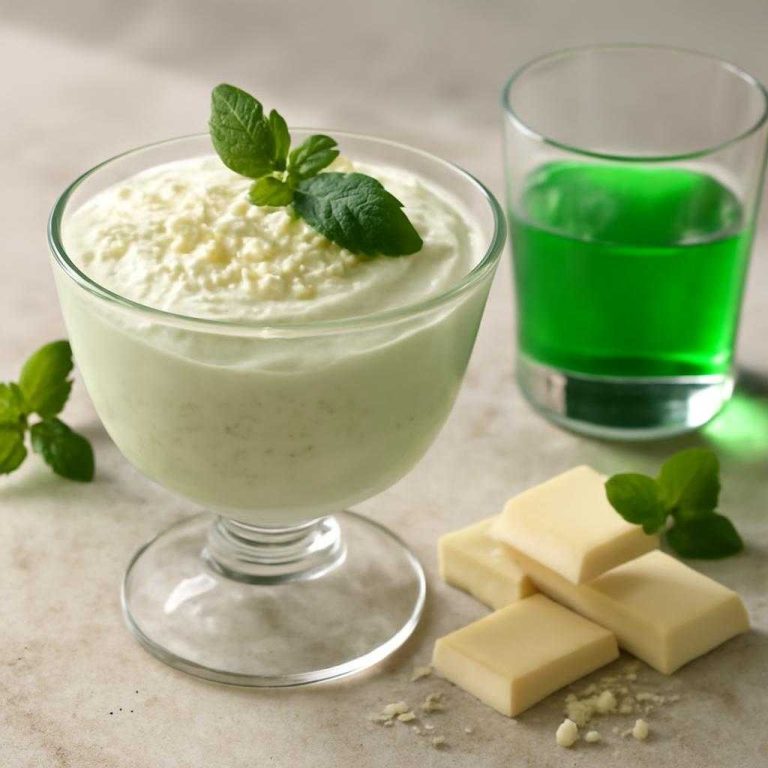
В десерте с травяным спиртом главная задача связана не с яркостью, а с равновесием. Белый шоколад тянет вкус в сливочную сладость, мята уводит в холодный травяной тон, а абсент легко перекрывает обе линии резким послевкусием. Если смешать компоненты без порядка, масса теряет ясный профиль. На первом плане остается сахар, затем приходит жгучая нота, а зелень звучит отрывочно.
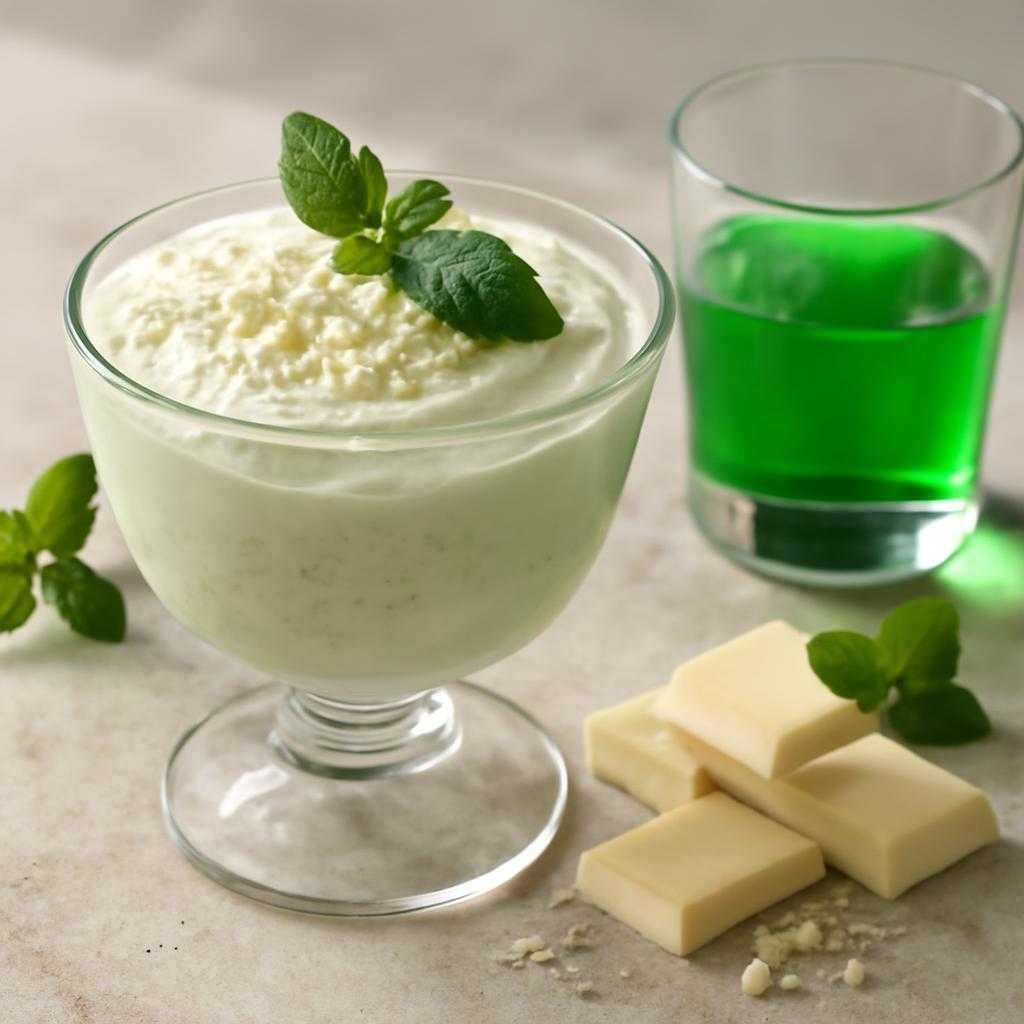
Основа вкуса
Я выстраиваю этот состав от жировой базы. Белый шоколад формирует корпус, удерживает аромат и смягчает спиртовую кромку. При перегреве он выдает тяжелую сладость и вязкий след на языке. При слабом нагреве в массе остаются крупинки, из-за них пропадает шелковистость. Гладкая эмульсия требует ровного расплавления и аккуратного соединения с остальными частями.
С мятой работает иной принцип. Лист не терпит грубого измельчения и долгого контакта с горячей средой. При таком ходе свежий запах сменяется темным травяным тоном, похожим на настой. Для чистого звучания я вожу ее через мягкое настаивание в сливочной части или через тонкопротертый экстракт. Так зелень остается ясной и не спорит со сладкой базой.
Алкогольный акцент
Абсент в таком десерте служит не основой, а штрихом. Его задача — дать анисово-травяной верхний слой, а не жечь рецепторы. При прямом добавлении в теплую массу спирт выбивается вперед и дробит структуру. При избытке жидкая часть ослабляет плотность, и поверхность теряет стабильность. Я ввожу напиток в прохладную смесь, уже собранную в единое целое.
Серьезная ошибка связана с попыткой усилить аромат дозой. Такой ход ломает баланс быстрее, чем кажется при первой пробе. Ложка десерта сперва звучит выразительно, затем во рту остается аптечный след. Белый шоколад на его фоне кажется жирным, а мята — резкой. Для абсентного мусса с белым шоколадом и мятой ценнее тонкая линия, чем ударный запах.
Текстура
Воздушность держится на точном состоянии базы перед введением взбитой части. Теплая масса осаживает пузырьки, холодная схватывается комками. Оба сбоя портят срез и ощущение во рту. В первом варианте десерт выходит плотным и глухим. Во втором ложка цепляет зернистые участки, а вкус распадается на фрагменты.
Я слежу и за сладостью, поскольку белый шоколад маскирует избыток сахара до финального охлаждения. В теплом виде смесь кажется мягкой, а в подаче обнаруживается липкий тяжелый хвост. Мята на таком фоне теряет чистоту, а травяной спирт начинает щипать сильнее. Снижение общей сладости делает профиль строже и чище. Тогда сливочная часть не давит, а аромат раскрывается слоями.
Подача и ошибки
Для подачи я выбираю малый объем. У этого десерта насыщенный характер, и крупная порция утомляет уже к середине. Холод усиливает четкость мяты и подтягивает корпус, но чрезмерное охлаждение гасит аромат. При подаче из холодильника сразу на стол верхние ноты закрыты. Краткая выдержка перед сервировкой возвращает травяную глубину и смягчает сладкий слой.
Распространенная ошибка связана с украшением. Яркие добавки вроде кислых соусов, цитрусовой цедры или хрустящей карамели дробят замысел. Вкус уходит в спор отдельных деталей, а не в цельное впечатление. Здесь работает сдержанный ход: гладкая поверхность, тонкий лист мяты, стружка шоколада. Абсентный мусс с белым шоколадом и мятой держится на нюансе, и лишний акцент разрушает именно его.
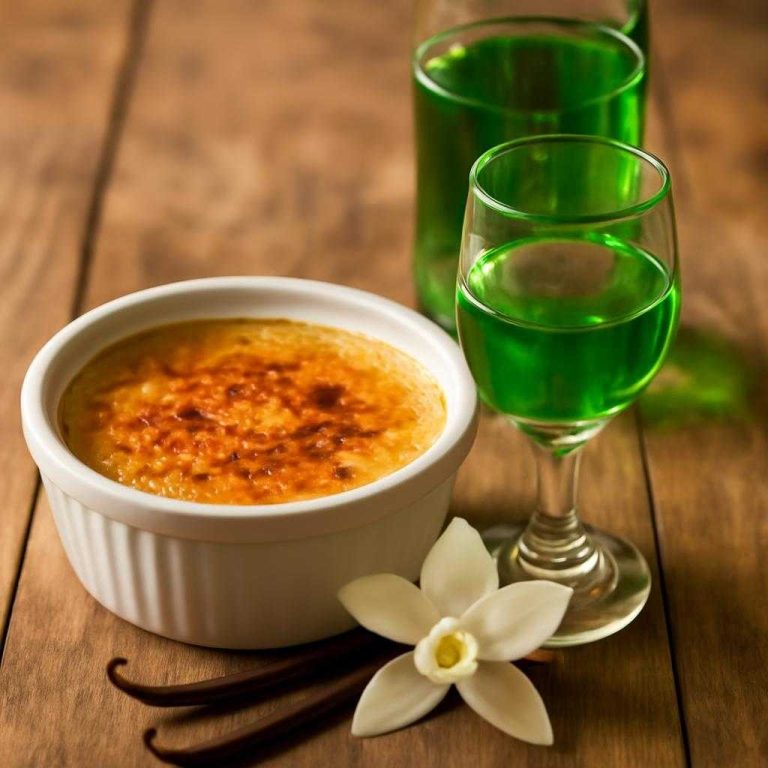
Вкус и баланс
Крем-брюле с абсентом и ванилью строится на точном равновесии. Сливочная основа смягчает травяную горечь, а стручок ванили связывает запах полыни, аниса и сахара в цельный профиль. Если влить крепкий напиток без меры, аромат выйдет резким, а послевкусие станет жгучим. При слабом вводе спиртовая нота теряется, и десерт превращается в обычную запеченную массу с карамельной крышкой.
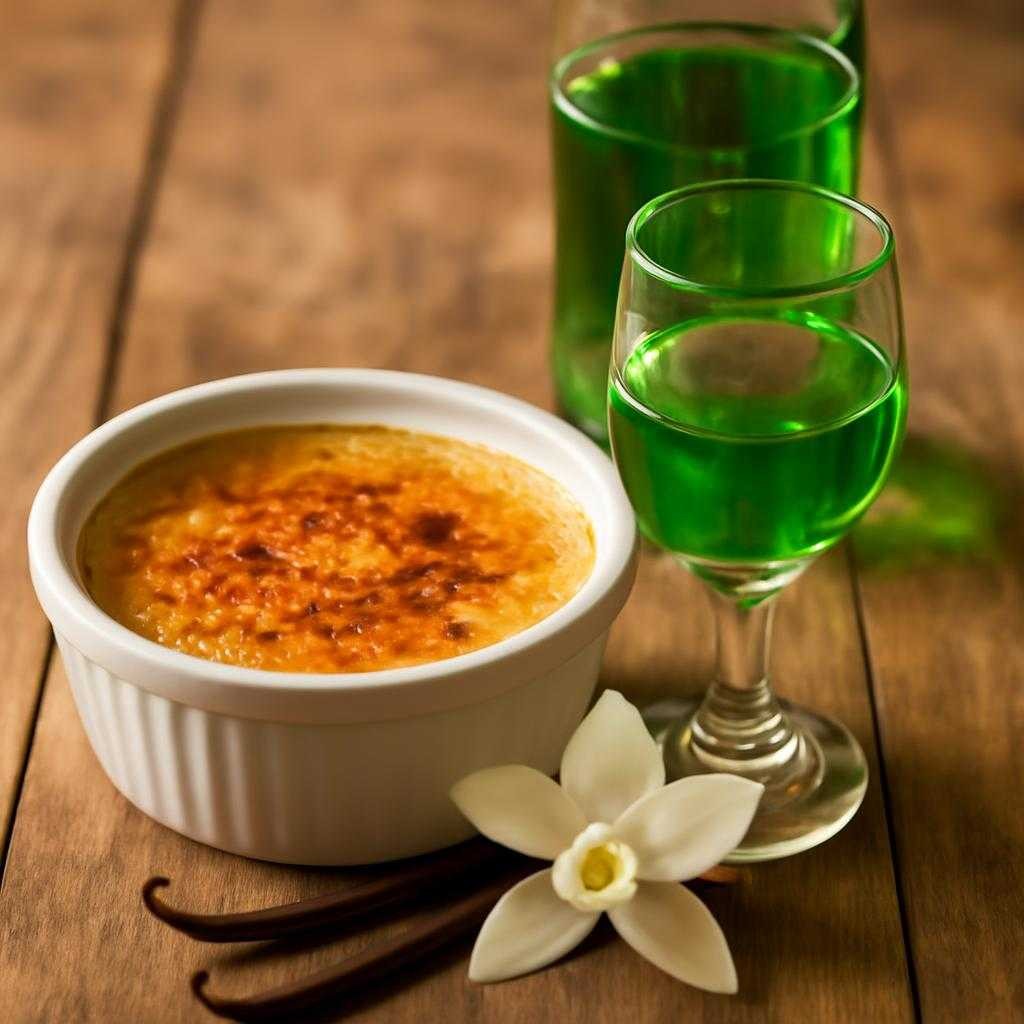
Я оцениваю сырье по запаху до нагрева. Ваниль должна пахнуть мягко, без пыльной сухости. Абсент выбирают по чистому травяному тону, без аптечной тяжести и сладкого перегруза. Сливки берут свежие, с ровным молочным запахом, иначе тонкий букет распадается уже в минске.
Основа
Главная ошибка возникает на этапе прогрева. Сливки нельзя доводить до бурного кипения, иначе белок яйца схватится рывком, и текстура станет зернистой. Стручок раскрывают заранее, семена вводят в теплую жидкость, а пустую оболочку кратко выдерживают в ней для глубокого аромата. Сахар растворяют полностью, без хруста на дне.
Желтки растирают без пены. Лишний воздух создает пористый срез и ломает шелковистую плотность. Горячую молочную часть вливают тонкой струей при постоянном движении венчика. Массу процеживают, чтобы удалить сгустки, волокна стручка и случайную пленку.
Спиртовой акцент
Абсент вводят в конце смешивания, когда заварная часть уже собрана и остыла от прямого жара. Такой порядок сохраняет травяной запах и не дает крепости выпятиться в носу. При раннем добавлении летучие ноты уходят, а в чашке остается пустая горечь. При позднем и грубом вливание жидкость расслаивается, и вверх пахнет отдельно от телала десерта.
Я избегаю резкого контраста между сладостью и полынью. Баланс держится на коротком, чистом следе аниса и сухом травяном штрихе. Ваниль здесь не украшение, а связка между сливками и спиртовой частью. Без нее вкус распадается на молочный фон и чуждый горький выступ.
Запекание
Формы наполняют без пузырей. Если на поверхности осталась пена, ее снимают ложкой, иначе верх выйдет бугристым. Нагрев ведут мягко, через водяную баню, чтобы края не схватились раньше центра. Готовность проверяют покачиванием: середина дрожит единым пластом, без жидкой лужи.
Перепекание портит десерт сильнее, чем недобор жара. Срез теряет гладкость, появляется яичный оттенок, а аромат ванили уходит в вареную сладость. Недодержка тоже мешает: сердцевина остается текучей и смешивается с карамелью в мутный сироп. Остывание проходит без крышки, иначе конденсат увлажнит верх.
Карамельная корка
Сахар для обжига распределяют тонким, ровным слоем. Толстая насыпь дает грубую плитку, которую трудно проломить ложкой. Слабый нагрев оставляет липкую пленку без хруста. Пламя ведут равномерно, без задержки на одном участке, чтобы цвет вышел янтарным, а не темно-коричневым.
Контраст между холодной основой и горячей коркой решает впечатление от подачи. Если обжечь сахар заранее, крышка тянет влагу из крема и теряет ломкость. Если подать массу теплой, травяной запах звучит грубее, а сливочный слой кажется рыхлым. Готовый десерт держит четкую границу: сверху стеклянный щелчок, ниже гладкая ложка без крупинок.
Типичные промахи
Лишний сахар маскирует полыньи превращает аромат в вязкую сладость. Избыток алкоголя дает жжение, от которого ваниль уходит на задний план. Непроцеженная смесь оставляет нитки белка и ломает срез. Долгое хранение рядом с пахучими продуктами искажает букет, поскольку молочная база легко тянет посторонние запахи.
Я подарю крем-брюле с абсентом и ванилью без ярких добавок. Ягоды, густые соусы и пряные крошки спорят с хрупким ароматом полыни. Здесь работает иной принцип: чистая ложка, холодная сердцевина, тонкая карамель и ясный шлейф ванили. Тогда спиртовой акцент звучит точно, без шума и лишней горечи.
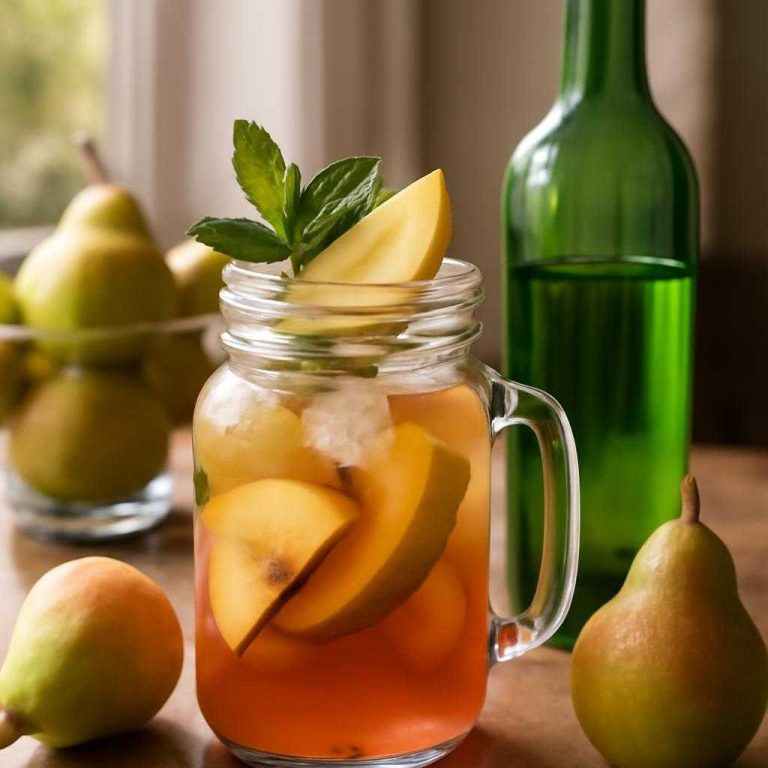
Основа вкуса
Теплый напиток из груши требует точного баланса сырья и нагрева. Плод дает мягкую сладость, водянистую мякоть и тонкий аромат. Абсент вносит горьковатую травяную ноту, а пряности связывают запах в цельный рисунок. При грубом подходе отвар распадается на сладкую жидкость, резкий спиртовой след и сухой перечный фон.
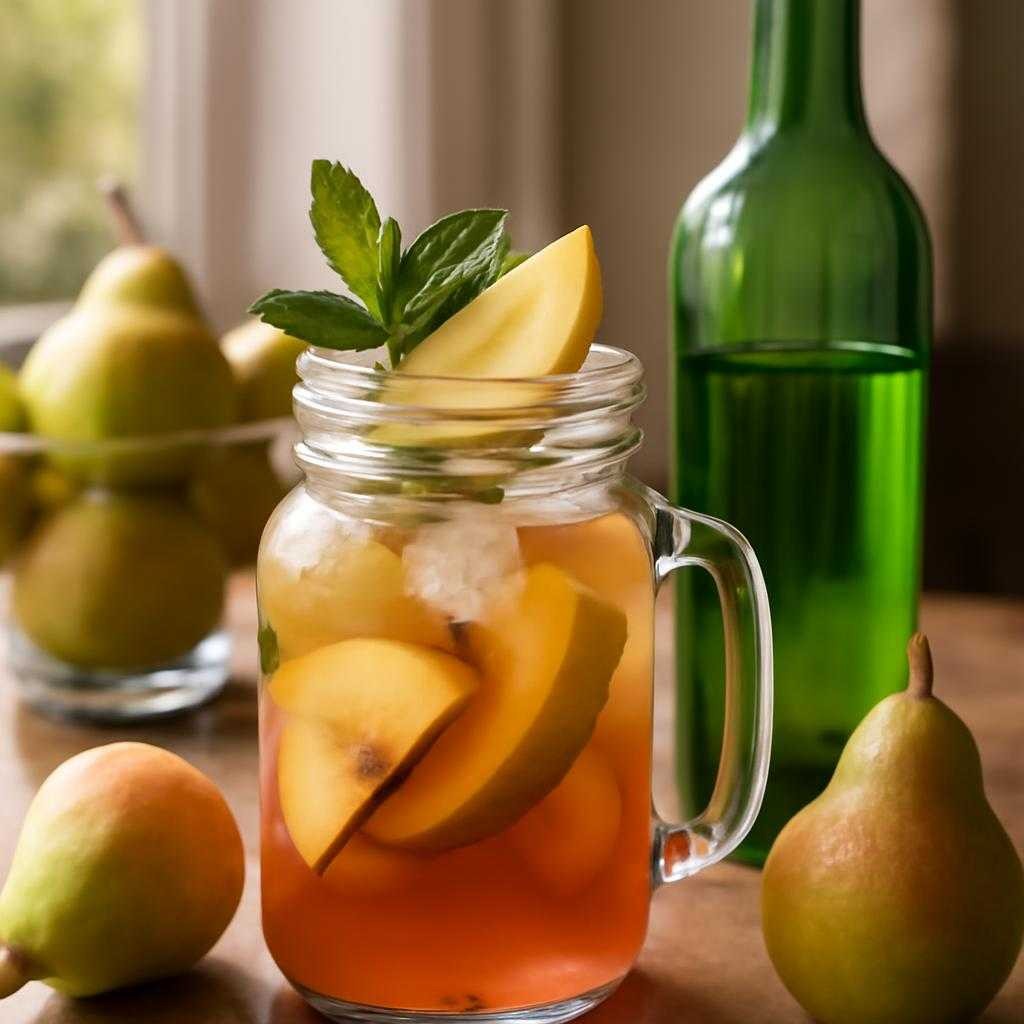
Для такой подачи берут плотные, зрелые плоды без рыхлой сердцевины. Переспелая мякоть разваливается и мутит отвар. Недозрелый плод держит форму, но оставляет пустой вкус и терпкий край. Кожуру сохраняют, если она чистая и без грубых участков: в ней сидит заметная доля запаха.
Состав и баланс
Сладость в этом сочетании подают скупо. Груша сама тянет вкус в десертную сторону, поэтому избыток сахара глушит травы и пряности. Вместо густого сиропа варят легкую основу, чтобы ломтики остались выразительными. Если сладкая часть вышла тяжелой, напиток теряет глубину и напоминает фруктовый отвар без характера.
Абсент вводят не ради крепости, а ради сухого анисового шлейфа. При раннем добавлении он теряет верхние ноты и оставляет грубый спиртовой след. При щедрой доле перекрывает плод, а пряности звучат разрозненно. Поэтому его вливают ближе к завершению, когда груша уже отдала сок, а жидкость набрала плотность.
Из пряностей в такой связке уместны корица, бадьян, гвоздика, кардамон и кусочек свежего имбиря. Их задача разная. Корица округляет вкус, бадьян поддерживает анисовую линию, гвоздика сушит послевкусие, кардамон освежает, имбирь добавляет живое тепло. Если собрать весь набор без меры, отвар уйдет в аптечный тон.
Порядок приготовления
Сначала прогретьвают воду с сахаром и цельными пряностями. Кипение держат мягким, без бурного движения. За это время жидкость набирает пряный запах, а сладкая часть распределяется ровно. Затем закладывают дольки груши и ведут нагрев бережно, чтобы мякоть смягчилась, но не распалась.
Ключевой момент связан с паузой. Когда ломтики дошли до мягкости, посуду снимают с огня и дают содержимому успокоиться. В горячую, но уже не бурлящую основу вливают абсент. Такой порядок сохраняет летучие травяные ноты и не провоцирует резкую спиртовую волну в носу.
Подача тоже меняет восприятие. Слишком горячая температура скрывает фруктовый аромат и подталкивает спиртовой пар вперед. Остывшая жидкость тянет пряности в тяжесть и делает сладость вязкой. Поэтому грушевый компот с абсентом раскрывается в теплом состоянии, когда запах поднимается плавно, а глоток остается цельным.
Типичные ошибки
Первая ошибка связана с нарезкой. Тонкие ломтики отдают сок мгновенно и теряют форму. Крупные куски держат плотность, но внутренняя часть остается пустой. Средняя долька дает верное соотношение мякоти и отвара, а в чашке выглядит аккуратно.
Вторая ошибка рождается из спешки. Длительное кипение вытягивает из пряностей сухую горечь, а груша теряет свежий тон. Короткий нагрев оставляет сырой привкус мякоти. Повар следит не за временем, а за состоянием ломтика и запахом над посудой: аромат должен стать цельным, без резкого спирта и без давящей сладости.
Третья ошибка касается попытки украсить состав лишними добавками. Цитрус спорит с анисовой линией и уводит профиль в другую сторону. Ваниль смягчает букет, но забирает яснасть пряностей. Мед делает жидкость вязкой и затемняет вкус груши. Удачнее держать рецепт в узких рамках и работать с точностью нагрева.
Отдельное внимание уделяют посуде. Широкая открытая емкость ускоряет уход запаха, а тонкое дно провоцирует грубое кипение. Под крышкой аромат сохраняется ровнее, а нагрев идет мягче. Перед подачей пряности вынимают, иначе гвоздика и корица продолжат тянуть горечь в настой.
Грушевый компот с абсентом не терпит резких движений. Его сила лежит в тихом раскрытии: мягкий плод, сухой травяной штрих, теплый пряный фон. Когда повар держит сахар в узде, бережет аромат спиртного и не перегружает состав, напиток звучит чисто и собранно.
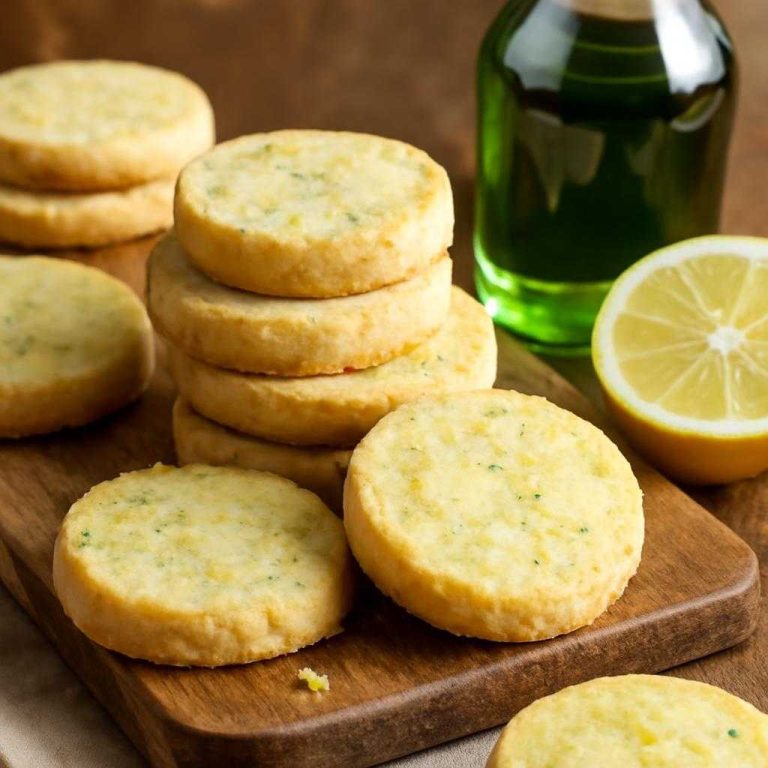
Характер вкуса
Песочное печенье с абсентом и лимонной цедрой строится на точном равновесии. Травяной напиток несет резкий аромат, а цитрус подчеркивает верхние ноты. Если ввести оба компонента без меры, выпечка теряет чистый сливочный профиль. Вкус уходит в горечь, а послевкусие становится колким. Основа такого изделия держится на мягком жире, сухой смеси и коротком замесе.
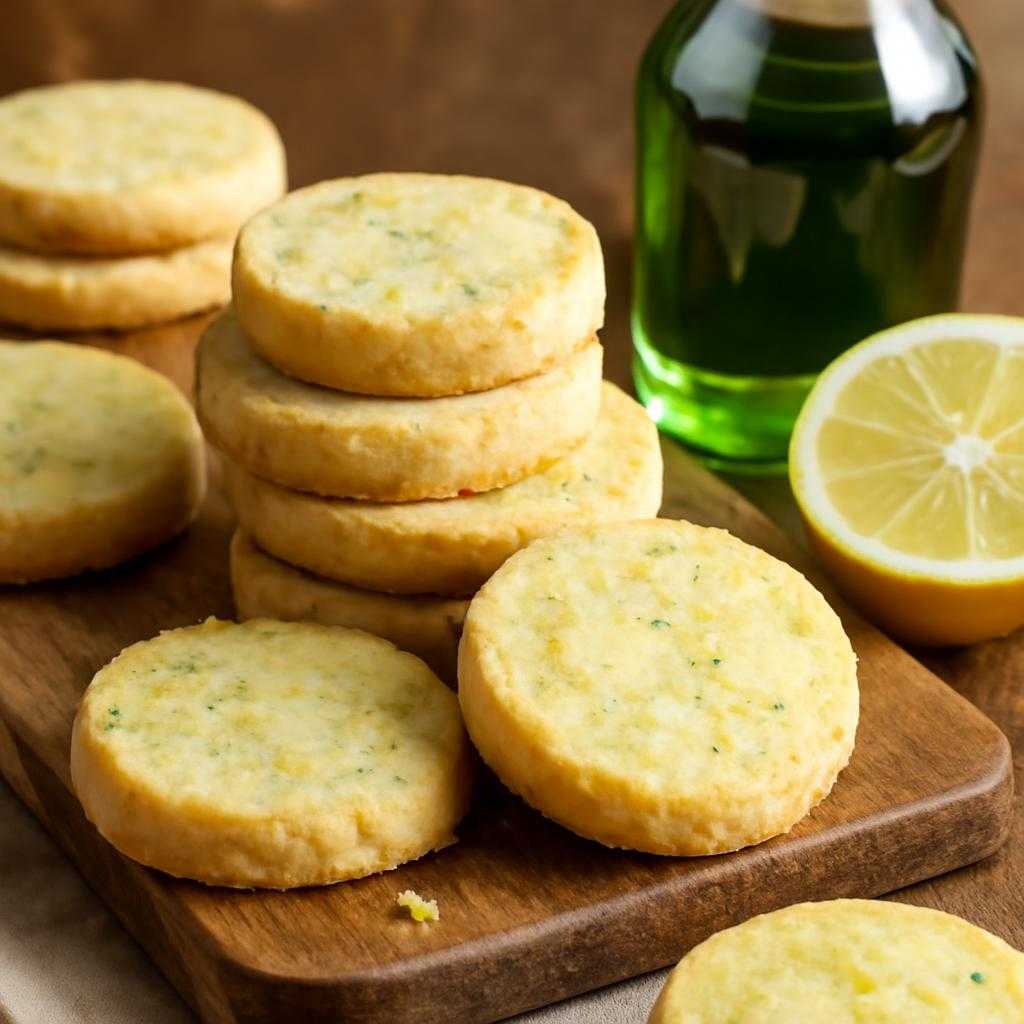
Главная ошибка связана с жидкостью. Спиртное разрыхляет массу и меняет поведение муки. При избытке тесто тянется, крошка грубеет, край теряет ровную линию. Я ввожу напиток в малом объеме и смешиваю его с жирной частью, а не с сухой. Так аромат распределяется ровнее, без мокрых пятен и резкого запаха в одном участке.
Цедра требует аккуратной подготовки. Белый слой под окрашенной частью дает ненужную терпкость. Для работы подходит тонкая стружка без влажной мякоти. Ее растирают с мелким сахаром, чтобы высвободить масло и смягчить резкость. При прямом внесении крупные полоски нарушают текстуру, а вкус распадается на отдельные ноты.
Структура теста
Песочная основа не любит долгого контакта с теплом рук. При растирании жира с сухой смесью нужна крошка, а не паста. Когда масса становится гладкой раньше срока, в духовке круги расплываются и теряют рассыпчатость. Для четкого контура заготовку охлаждают до уплотнения. Холод не усиливает вкус, зато удерживает форму и срез.
Сахар влияет на ломкость сильнее, чем думают начинающие пекари. Крупные кристаллы не успевают разойтись и дают грубый хруст. Пудра создает ровный срез и тонкую крошку. Если цель состоит в сухом щелчке при надломе, часть пудры заменяют мелкиеим сахаром. При полном переходе на кристаллы изделие теряет нежность и выглядит шероховатым.
Толщина заготовки задает характер протекания. Тонкий пласт раскрывает цитрус ярче, зато травяной след звучит жестче. Более высокий кусок сохраняет сливочный центр и глушит резкие ноты. Для ровного результата пласт раскатывают без сильного нажима, иначе край выйдет плотнее середины. На лист переносят уже охлажденные детали, иначе рисунок смазывается.
Запах и баланс
Абсент не терпит грубой пары с ванилью, корицей и прочими теплыми специями. Они тянут вкус в разные стороны и засоряют нос. Намного чище работает связка с лимоном и солью. Щепоть соли не делает десерт соленым, а собирает сливочную основу и удерживает горечь в границах. Без нее аромат рассыпается и кажется плоским.
Температура выпечки требует внимания к цвету, а не к времени по привычке. Сильный жар быстро сушит край, пока середина хранит сырой жир. Слабый режим растягивает испарение, и запах напитка уходит раньше фиксации. Я вынимаю лист, когда кромка получает светлый золотистый тон, а центр еще выглядит бледным. На противне заготовка доходит мягко и не пересыхает.
Остывание влияет на аромат не меньше духовки. Горячая выпечка звучит резко, и травяная нота перекрывает цитрус. Через паузу сливочная часть возвращает связность, а горечь уходит в фон. Подача в теплом виде искажает впечатление о рецептуре. Полное охлаждение дает точный вкус и чистый хруст.
Типичные промахи
Первая неудача связана с желанием усилить аромат добавкой лишней порции напитка. Результат выходит обратным: запах грубеет, а рассыпчатость слабеет. Вторая ошибка возникает при использовании сырой, толстой стружки с белой частью. Она затемняет вкус и оставляет в крошке жесткие вкрапления. Третья проблема появляется при долгом вымешивании. Масса собирается в плотный ком, а готовый десерт напоминает сухарь.
Для ровного результата я держу три ориентира: холодное тесто, тонко снятая цедра и сдержанный объем ароматной жидкости. При такой схеме песочное печенье с абсентом и лимонной цедрой сохраняет хрупкий надлом, чистый запах и ясный сливочный фон. Травяной акцент слышен отчетливо, но не спорит с цитрусом. Именно эта сдержанность делает вкус взрослым и собранным.
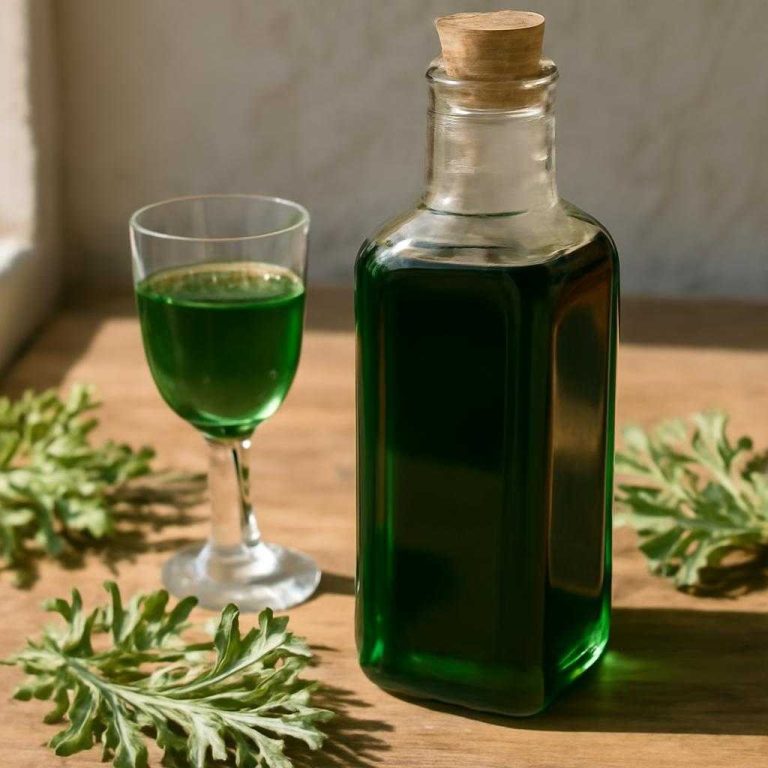
Задача такого сиропа сводится к передаче анисово-травяного профиля без резкой спиртовой атаки. Для домашней версии берут крепкий напиток с полынной нотой, сахар и воду. Смысл не в копировании исходника, а в создании устойчивой сладкой базы для смешивания. Она смягчает горечь, удерживает запах и связывает кислую часть с крепкой.
Основа и вкус
Сахарная часть задает плотность и длину послевкусия. Белый сахар оставляет чистый тон и не спорит с травами. Тростниковый вносит карамельный след и уводит профиль в теплую сторону. Вода без заметного привкуса сохраняет ясность аромата, иначе в чашке появится мутная минеральная нота.
Крепкий компонент вводят не ради силы, а ради букета. Если лить его в кипящую жидкость, верхние запахи уходят, а полынь выходит грубо. По этой причине сиропную базу сначала прогревают отдельно. Спиртовую часть подмешивают позднее, когда сотейник уже не обжигает паром.
Для варки хватает короткого нагрева. Сахар распускают в воде до ровной прозрачности, без бурления и потемнения. Масса не должна тянуться карамельной нитью. Иначе сладость забьет травяной рисунок, а в напитке появится липкий след на языке.
Баланс профиля
Домашний абсентный сироп выигрывает не от силы, а от точной меры. Избыток полынной основы сушит рот и режет нос. Недостаток дает пустой сладкий раствор без характера. Верный ориентир виден по запаху: анис слышен первым, травы держатся фоном, горькая линия не царапает.
Если профиль кажется резким, массу не переваривают повторно. Такой ход гасит свежий верх и делает вкус плоским. Коррекцию проводят малой долей теплой воды либо новой сахарной частью той же плотности. При нехватке выразительности вливают еще немного крепкой основы и сразу перемешивают.
Дополнительные пряности требуют осторожности. Фенхель, иссоп или мелисса легко перетягивают внимание на себя. Тогда теряется узнаваемый анисовый стержень, ради которого и затевают такую заготовку. Я держу состав узким и не собираю в одной посуде целый травник.
Типичные ошибки
Первая ошибка связана с температурой. Кипение выбивает тонкие запахи и огрубляет горечь. Вторая ошибка кроется в спешке при смешивании. Если влить крепкую часть в раскаленный сироп, аромат уходит в пар, а итог пахнет слабее исходной заготовки.
Третья проблема касается пропорции сладости. Жидкая масса теряется среди цитруса и льда. Густая ложится вязким слоем и портит текстуру. Для коктейльной задачи нужна средняя плотность: она держит вкус, но не превращает смесь в десертный соус.
Еще один промах возникает при хранении. Открытая банка рядом со специями тянет посторонние запахи. Свет портит оттенок и делает букет грубее. Чистая стеклянная тара с плотной крышкой сохраняет состав ровным и предсказуемым.
Работа в бокале
Такую заготовку вводят малыми порциями. Сначала соединяют ее с кислой частью, затем добавляют крепкий компонент и лед. При обратном порядке сладкая база оседает у дна и дольше расходится. Вкус выходит рваным: первый глоток пустой, следующий перегружен анисом.
Сироп сочетается с цитрусом, виноградной кислотой и легкой травяной горечью. С тяжелыми сливочными или пряничными мотивами он спорит. В высоком бокале профиль раскрывается мягче, в коротком звучит плотнее и суше. Для шипучих смесей дозу держат скромной, иначе аромат давит на газ и перекрывает свежесть.
Перед подачей заготовку взбалтывают мягким движением. Осадок из эфирных частиц допустим, если состав не мутнеет хлопьями и не пахнет вареной карамелью. Я проверяю результат на чайной ложке: капля должна пахнуть чисто, идти гладко и оставлять короткий травяной хвост без жгучего удара.
Вкус и задача
Соус к утке с абсентом и апельсином строится на контрасте. Жирная птица требует кислоты, легкой горечи и пряного шлейфа. Цитрус срезает тяжесть, а крепкий ароматный напиток вносит травяную глубину. При неточном балансе смесь уходит в резкость, сладкий сироп или горький отвар.
Я собираю такую подачу вокруг сока, цедры и мясного сока со сковороды. Основа без него теряет связь с птицей. Сливочное масло годится для блеска, но не заменяет насыщенность, которую дает поджаренный след от жарки. Если взять один сок, вкус ляжет отдельно и не поддержит кусок на тарелке.
Ключевой признак удачного результата — ясный аромат. На первом плане слышен апельсин, затем идет травяная нота, а в конце остается плотный мясной фон. Ни один слой не спорит с другим. Если напиток перебивает плод, порция пахнет аптекой. Если доминирует сахар, жир утки делается липким и вязнет во рту.
Порядок работы
Сначала я сливаю лишний жир со сковороды, оставляя тонкий слой и поджаренные частицы. Их нельзя жечь. Черный нагар портит всю партию горечью, которую не скрыть ни соком, ни маслом. Затем ввожу небольшую долю напитка и поднимаю лопаткой осевшие соки. Резкий пар уходит сразу, а травяной запах становится мягче.
Апельсиновый сок вливаю следом, не раньше. Иначе спирт впитается в густую основу и даст грубый удар в нос. Цедру закладываю умеренно, без белой части кожуры. Белая прослойка несет жесткую горечь и сушит послевкусие. Для свежести хватает тонкой стружки, снятой с поверхности плода.
Уваривание требует тишины и внимания. Бурное кипение ломает аромат и делает жидкость мутной. Я держу ровноый нагрев, пока объем не соберется и не начнет обволакивать ложку тонкой пленкой. Густая масса для утки не подходит. Она ложится комком и прячет корочку, ради которой птицу и жарят.
Частые ошибки
Первая ошибка — избыток сладости. Сахар или мед легко заглушают травяной слой и превращают соус в десертное сопровождение. Утка рядом с ним теряет соль, дым жарки и свой природный вкус. Сладкий штрих допустим как короткая правка, а не как основа.
Вторая ошибка связана с кислотой. Один сок без уваривания дает плоскую резкость. Кислота должна соединиться с мясным соком и жиром. Тогда она режет плотность, а не раздражает язык. Если баланс ушел в кислую сторону, часть проблемы снимает холодное масло, введенное в самом конце малыми порциями.
Третья ошибка — спешка при подаче. Горячую массу нельзя лить на птицу сразу с огня. Короткая пауза собирает аромат и выравнивает плотность. За это время корочка утки отдыхает, сок внутри распределяется ровнее, а ложка соуса ложится рядом аккуратной полосой, а не растекается лужей.
Практические различия
Сок и цедра решают разные задачи. Сок приносит кислоту и плодовую мякоть вкуса. Цедра несет эфирный аромат и легкую терпкость. Если усилить одну часть без второй, композиция рушится. Переизбыток сока дает резкую кислинку, а избыток цедры оставляет сухой след во рту.
Абсент требует меры и точного момента. В начале он раскрывает травы и связывается с жареными соками. В конце та же добавка звучит грубее и выбивается вперед. Я не вливаю его повторно перед самой подачей. Запах становится колким, а тарелка теряет цельность.
Подавать смесь лучше рядомм с ломтиками, а не поверх всей порции. Тогда корочка сохраняет структуру, а гость сам регулирует насыщенность. Для гарнира подходят нейтральные вещи без лишней сладости. Если на тарелке уже есть фруктовый акцент, цитрус в соусе беру мягче, иначе блюдо распадается на спорящие части.
Когда я проверяю готовность, смотрю не на густоту, а на движение по ложке и длину послевкусия. Верная текстура скользит тонким слоем, не рвется и не тянется. Во вкусе сначала идет мясной тон, затем цитрус, потом травы. При таком порядке утка сохраняет главную роль, а сопровождение раскрывает ее сильнее, чем любая яркая глазурь.
Вкус и баланс
Домашние конфеты с абсентом и темным шоколадом строятся на точном балансе горечи, сладости и аромата. Если один оттенок давит на остальные, корпус выходит грубым, а послевкусие теряет глубину. Абсент в начинке работает как пряный акцент, а не как главная нота. Темная плитка задает каркас, держит форму и связывает жирную массу в цельную структуру.
Для такой сладости я беру основу с чистым составом и ровным вкусом без лишних добавок. Плитка с резкой кислотой спорит с травяным тоном и ломает связку. Мягкая сливочная часть смягчает горечь, но избыток жира делает центр вязким и ленивым. Сахарная пудра выравнивает текстуру, хотя ее доля требует меры, иначе аромат напитка уходит в фон.
Начинку я собираю из растопленной шоколадной массы, мягкого сливочного компонента и малой порции абсента. Напиток вливаю в теплую основу, а не в горячую. При перегреве запах грубеет, а жир отслаивается по краям. Если масса блестит, держит след от лопатки и не течет, консистенция подходит для отсадки или ручной лепки.
Точность порядка
Главная ошибка связана не с составом, а с порядком действий. Сначала растапливают плитку на мягком нагреве, затем вводят жирную часть и размешивают до гладкости. Абсент добавляют в конце, малыми порциями, с постоянным движением лопатки. Резкое вливание дает зернистость, а активное взбивание загоняет воздух и портит срез.
Форма корпуса зависит от замеса. Плотная масса идет под обсыпку какао, молотым орехом или крошкой той же плитки. Более пластичная начинка подходит для корпуса из глазури. Для оболочки я беру темную плитку без начинок: она застывает рровно, хрустит при надломе и не спорит с центром. Толстый слой снаружи крадет аромат, тонкий трескается при выемке.
Отдельный вопрос — сладость. Многие пытаются смягчить резкий травяной профиль лишней пудрой или сиропом. Ход ведет к приторности и скрывает послевкусие. Гораздо точнее работает щепоть соли или капля нейтральных сливок в центре. Соль подчеркивает какао, а сливочный штрих гасит лишнюю жесткость без сахарного шума.
Ошибки и ограничения
Домашние конфеты с абсентом и темным шоколадом требуют сухой посуды и чистого инструмента. Капля воды сворачивает растопленную плитку в плотный ком. Перегретая миска оставляет жженый след, который уже не убрать. Холодный напиток, внесенный в теплую основу, провоцирует резкое уплотнение, затем структура идет крупинками.
Есть и вкусовые ограничения. Напиток с яркой полынной нотой не терпит соседства с цитрусом, мятой и резкой ванилью. Эти добавки дробят аромат на отдельные куски. Ореховая паста тоже спорит с травяным профилем, если в ней сильная обжарка. Намного чище звучат какао, сливочный фон и легкая горечь оболочки.
Хранение влияет на текстуру не слабее, чем состав. Готовые шарики держат в закрытой коробке, без резких запахов рядом. Холодильник сушит поверхность и глушит ароматическую часть. При комнатной прохладе центр сохраняет пластичность, а оболочка не покрывается серым налетом. Долгое открытое хранение лишает изделие тонкого запаха и делает вкус плоским.
Подача и различия
При подаче важен размер. Крупный кусок давит травяной нотой и перегружает рецепторы. Малый формат раскрывает вкус ступенчато: сначала хрупкая оболочкака, затем мягкий центр, потом горьковатый шлейф. Обсыпка какао подходит для матовой подачи, а тонкая сетка глазури дает более строгий вид без лишнего декора.
Я различаю два рабочих направления. Первое строится на мягком центре с явным сливочным штрихом и сдержанным ароматом напитка. Второе опирается на плотную, почти трюфельную массу, в которой трава звучит суше и глубже. Выбор зависит от подачи: к чаю ближе мягкий вариант, к крепкому кофе — плотный. Оба требуют меры в алкоголе, точного нагрева и аккуратного смешивания.
Подход к такой смеси строят от плотности мякоти и чистоты аромата. Абсент несет полынную горечь, а она легко подавляет нежный вкус. По этой причине основу берут с коротким составом: кислота, жир, соль, зелень и малая доля спиртного. При избытке резких добавок мякоть теряет собственный характер, а готовое блюдо пахнет настойкой, а не морем или рекой.
Выбор основы
Я беру нейтральное филе без тины и лишней сладости. Жирные куски переносят полынный оттенок мягче, постные требуют деликатного состава. Для речных пород уместна зелень с холодным запахом, для морских — лист с более сухим профилем. Сильная кислота годится не для вкуса, а для короткой справки запаха, поэтому ее вводят скупо.
Главная ошибка связана не со спиртным, а с балансом. Если в чаше много лимонного сока, соль вытягивает влагу, а травы лежат грубой подушкой, верхний слой белеет раньше жарки. При нагреве такой кусок крошится, а сок уходит на сковороду. Абсент в этой схеме усиливает дефект: горечь цепляется за подсушенную поверхность и остается отдельным слоем.
Для связки я использую мягкое масло и рубленую зелень без толстых стеблей. Подходят укроп, эстрагон, петрушка, фенхель, кервель. Полынный тон уже есть в напитке, поэтому горькие листья в составе лишние. Чеснок кладу в следовом количестве или убираю совсем: он спорит с анисовым направлением и забивает тонкий запах мякоти.
Сбор вкуса
Соль растворяют в кислой части, затем вводят масло и зелень. Спиртное льют в конце и сразу перемешивают, чтобы оно не легло резкой точкой. Маринад для рыбы с абсентом и травами держат однородным, без плавающих комков листа и без слоя чистого масла сверху. Если состав разделился, покрытие ляжет пятнами, а нагрев даст рваный вкус.
Время контакта зависит от толщины куска и доли кислоты. Тонкое филе берет аромат стремительно, плотный пласт требует большего срока, но без долгой выдержки. При передержке меняется не запах, а структура. Белок стягивается, поверхность грубеет, а середина остается сырой на вкус, хотя по цвету выглядит готовой. Такой сбой трудно скрыть соусом или гарниром.
Есть еще одна ошибка: брать сушеные травы вместо свежих. В сухом листе аромат пыльный и прямой, а абсент рядом с ним звучит грубо. Свежая зелень дает сок и мягкий переход между жиром, кислотой и спиртовой нотой. Если под рукой нет нужного пучка, состав лучше сократить, чем заменять его набором из банки.
Способ тепловой обработки меняет требования к смеси. Для сковороды я снижаю долю масла, иначе корка не схватится. Для запекания допускаю чуть более влажную массу, чтобы верх не сох раньше времени. Открытый огонь требует особой аккуратности: спиртовой остаток горит, а листья чернеют. По этой причине куски перед жаркой промакивают, зелень частично снимают.
Практические различия заметны и в подаче. Холодная закуска терпит более яркий анисовый след, горячее блюдо просит тише и суше. Гарнир с выраженной сладостью спорит с полынью, а кислая подача дробит вкус на части. Я выбираю нейтральное сопровождение: отварной картофель, рис, тушеные кабачки, салатный лист без пряной заправки.
Маринад для рыбы с абсентом и травами удается тогда, когда напиток работает как штрих, а не как центр композиции. Рыба должна сохранить упругий разлом, чистый сок и узнаваемый природный запах. Травы связывают края вкуса, масло смягчает угол, кислота правит фон. Если хотя бы один элемент перетянут, блюдо теряет стройность уже на первом куске.
Вкус и баланс
Сливочный десерт с абсентом и ягодами строится на контрасте. Молочная основа смягчает резкую травяную ноту, а ягодная кислинка срезает жирный след. При слабом балансе блюдо распадается на три отдельные линии. При точной сборке ложка берет единый вкус, а послевкусие идет слоями.
Абсент требует меры и ясной задачи. Его не льют ради запаха спирта. Нужен тонкий анисовый штрих, который держится над кремом и не спорит с плодами. Если в массе слышен жгучий удар, повар потерял контроль над составом и заглушил нежную основу.
Основа и текстура
Для базы беру плотный сливочный крем без рыхлой структуры. Воздушная масса быстро оседает от кислого сока и теряет чистый срез. Слишком густая часть тянется за ложкой и прячет аромат трав. Верная текстура держит форму, тает без комков и не оставляет масляной пленки.
Сахар в таком блюде требует сдержанности. Избыток убивает различие между слоями и лишает ягоды живого вкуса. При нехватке сладости спиртовая нота выступает вперед и делает подачу жесткой. Баланс ищут в креме, а не в верхней посыпке, иначе поверхность кажется яркой, а центр пустым.
Ягоды и сборка
Для ягодной части беру плоды с чистой кислотой и ясным соком. Вялое сырье дает водянистый слой и грязный цвет. Перетертая масса подходит для прослойки, цельные ягоды работают в верхнем ярусе. Смешивать оба формата в одной линии подачи невыгодно: ложка теряет ритм, а рисунок распадается.
Алкоголь ввожу в охлажденную часть малыми порциями. При резком вливании крем расслаивается, запах сбивается в грубую волну. Травяной компонент легче раскрывается в выдержанной массе, чем в теплой. По той же причине сборку ведут в холодной посуде, иначе кромка плывет и ягода отдает сок раньше срока.
Ошибки вкуса
Главная ошибка связана не с абсентом, а с попыткой украсить десерт лишними вкусами. Шоколад, ванильный напор, ореховая крошка, плотный сироп тянут внимание в стороны. В тарелке начинается спор, а не диалог. Для такой композиции хватает кремовой базы, ягодного акцента и травяного следа.
Вторая ошибка касается кислоты. Когда повар берет агрессивное пюре, молочная часть кажется пресной и тяжелой. Когда ягодный слой слишком мягок, спиртовой оттенок выходит в центр. Пропорция держится не на названии плодов, а на силе их сока, сладости и плотности мякоти.
Подача и признаки точности
Подача требует сдержанного объема и чистой геометрии. Широкий бокал годится для мягких слоев, низкая тарелка раскрывает рисунок и цвет. Глубокая посуда прячет аромат под холодной массой. Украшение кладут скупо, иначе взгляд цепляется за декор, а не за структуру блюда.
Признак точной работы виден с первой ложки. Крем идет ровно, без зерна и лужицы у дна. Ягоды не красят массу в мутный тон. Травяной акцент держится в верхнем дыхании, затем уходит, оставляя сливочный десерт с абсентом и ягодами цельным, а не шумным.
Welcome to WordPress. This is your first post. Edit or delete it, then start writing!
The guide starts at the label